Busan Shoulder & Joint Surgery · Dedicated International Patient Care


Medical Guide
Shoulder Pain Explained: Diseases and Treatment Approaches
Understand shoulder pain, its common causes, related diseases, and effective treatment approaches. Explore your options and take the first step toward relief.
Schedule a ConsultationUnderstanding the Causes of Shoulder Pain

Shoulder pain rarely has a single cause. It can stem from soft tissue injury, joint degeneration, inflammation, or nerve-related issues, and different underlying conditions often require very different treatment strategies despite producing similar symptoms. Some of the most frequently diagnosed conditions include:
- Rotator cuff tears — tearing of the tendons that stabilize the shoulder, often from repetitive strain, age-related degeneration, or a fall, typically causing weakness when lifting the arm and night pain
- Frozen shoulder (adhesive capsulitis) — progressive stiffening from thickening of the joint capsule, common in middle-aged patients and sometimes linked to diabetes
- Calcific tendinitis — calcium deposits in the rotator cuff tendons causing sudden, often severe pain
- Shoulder impingement syndrome — compression of tendons and bursa during arm movement, linked to overhead activity such as swimming or repetitive lifting
- Shoulder dislocation and instability — displacement of the joint, often from sports injuries or trauma, with recurrence risk if ligaments aren't adequately treated
- Shoulder fractures — breaks involving the humerus, clavicle, or scapula, from falls or trauma, or lower-energy falls in older patients with reduced bone density
- Degenerative joint changes and arthritis — gradual cartilage wear leading to chronic stiffness, particularly in older adults
Because these conditions can present with overlapping symptoms — pain, stiffness, weakness, clicking sensations, or reduced range of motion — an accurate diagnosis is essential before any treatment plan is recommended.
How Shoulder Conditions Are Diagnosed
At Narsha Hospital, diagnosis begins with a detailed patient history and physical examination, assessing range of motion, strength, stability, and pain patterns to narrow down the likely source of the problem. This is followed by imaging to confirm the cause and rule out overlapping conditions. In-house diagnostic capabilities, including X-ray, MRI, and ultrasound, allow the medical team to evaluate soft tissue, bone, and joint structures without the delays associated with outsourced testing.
- X-ray imaging is typically used first to assess bone alignment, fractures, and signs of arthritis or calcific deposits.
- MRI provides detailed visualization of soft tissue structures such as tendons, ligaments, and cartilage, useful for identifying rotator cuff tears or labral injuries.
- Ultrasound allows real-time assessment of tendon movement and can also guide precise injection therapy when needed.
This integrated, in-house approach supports timely, evidence-based decision-making and helps avoid unnecessary or premature surgical recommendations.
Treatment Approaches: Non-Surgical and Surgical Options

Not every shoulder condition requires surgery. Treatment at Narsha Hospital is tailored to each patient's diagnosis, age, activity level, and recovery goals, and generally follows a stepwise approach.
Non-Surgical Treatment
For many patients, especially those with early-stage tendinitis, mild impingement, or frozen shoulder, conservative treatment is the first line of care, aiming to reduce inflammation, restore mobility, and strengthen supporting muscles before more invasive options are considered.
- Physical and manual therapy to restore range of motion and strengthen supporting muscles, often paired with a home exercise program
- Extracorporeal shock wave therapy (ESWT), used particularly for calcific tendinitis, applying focused acoustic waves to stimulate healing and help break down calcium deposits
- Targeted injection therapy to reduce inflammation and pain, sometimes guided by ultrasound for precision
- Activity modification, including guidance on movements or postures to avoid during healing
Many patients with early-stage conditions see meaningful improvement through non-surgical care alone, particularly when treatment begins before symptoms become chronic.
Surgical Treatment
When conservative measures are insufficient — such as with complete rotator cuff tears, recurrent dislocation, or advanced joint degeneration — surgical intervention may be recommended, selected based on the specific diagnosis:
- Arthroscopic rotator cuff repair, performed through small incisions using a camera and specialized instruments, generally associated with less soft tissue disruption than open surgery
- Stabilization surgery for recurrent shoulder dislocation, repairing or tightening the ligaments that keep the joint in place
- Fracture fixation, using plates, screws, or other hardware to stabilize broken bones for proper healing alignment
- Reverse total shoulder arthroplasty, a more complex procedure typically reserved for patients with severe rotator cuff damage combined with joint arthritis, in which the normal ball-and-socket relationship is reversed to allow other muscles to compensate for the damaged rotator cuff
All surgical procedures are performed in operating rooms built to ISO Class 5 (Class 100) cleanroom standards, supported by dedicated air-handling systems and multi-layer HEPA filtration designed to reduce infection risk. Anesthesia is managed by a dedicated anesthesiology team, with pre-operative evaluation coordinated alongside internal medicine specialists when needed.
Who Is a Suitable Candidate for Treatment?
Candidacy depends on the specific diagnosis rather than age alone, and the same condition may call for different treatment approaches in different patients depending on severity, activity level, and overall health. Generally:
- Patients with early-stage tendon irritation, mild stiffness, or inflammation are often suitable for non-surgical care, particularly with short-duration symptoms
- Patients with structural damage — such as full-thickness rotator cuff tears, unstable joints, or fractures — may be better suited to surgical correction, especially if conservative treatment has already been attempted without sufficient improvement
- Younger, active patients with recurrent instability may be advised to consider stabilization surgery earlier, given the higher likelihood of re-injury with conservative management alone
- Older patients with advanced arthritis and rotator cuff damage may be evaluated for joint replacement options, including reverse total shoulder arthroplasty, when pain significantly limits daily function
- Patients with pre-existing conditions such as diabetes, cardiovascular disease, or thyroid disorders undergo evaluation by internal medicine specialists before any procedure, ensuring anesthesia and surgery can be performed safely
A thorough pre-treatment evaluation, including physical assessment and imaging review, helps determine the most appropriate and least invasive path forward for each individual, rather than defaulting to surgery when conservative options remain viable.
What to Expect During the Treatment Process
While each treatment plan is individualized, the general process at Narsha Hospital follows these steps:
- Initial consultation and physical examination, reviewing symptom history, prior treatments, and functional limitations
- Diagnostic imaging (X-ray, MRI, or ultrasound) to confirm the condition and assess severity
- Treatment planning, aligning with the patient on non-surgical or surgical options, timelines, and realistic goals
- Treatment or procedure, performed by the orthopedic surgical team with anesthesiology support as needed
- Post-treatment monitoring, including pain management and early movement guidance
- Structured rehabilitation, guided by physical therapists holding internationally recognized manual therapy certifications, adjusted to the patient's recovery stage
Medical Expertise Behind the Care
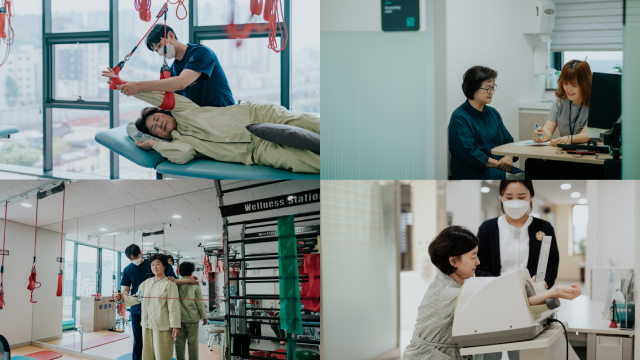
Care at Narsha Hospital is provided by a coordinated team of orthopedic surgeons working alongside an anesthesiologist, internist, and radiologist. This multidisciplinary structure allows each case to be reviewed from surgical, medical, and diagnostic perspectives before a treatment recommendation is finalized.
The hospital's clinical team also participates in the Narsha Shoulder & Joint Research Center, contributing to academic research, live surgery symposiums, and continuing medical education focused specifically on shoulder and elbow conditions, keeping clinical practices aligned with current evidence in orthopedic medicine.
Why Choose a Specialized Shoulder and Elbow Hospital
General orthopedic hospitals treat conditions across the entire musculoskeletal system, from spine to foot. Narsha Hospital, by contrast, concentrates exclusively on shoulder and elbow care, performing more than 1,200 related surgeries and welcoming approximately 45,000 patient visits annually. This focused caseload allows the medical team to build specialized experience in recognizing and treating the nuances of shoulder and elbow disorders specifically.
This specialization is supported by:
- A 13-story facility designed specifically for shoulder and elbow diagnosis, surgery, and recovery
- 64 inpatient beds providing dedicated recovery accommodations
- In-house imaging (X-ray, MRI, ultrasound) that eliminates delays associated with outsourced diagnostics
- Comprehensive nursing and caregiving services, reducing the need for a family caregiver to be present
- Freshly prepared, nutritionally balanced meals provided daily to support recovery
- A dedicated internal medicine department, offering health screenings and management of conditions such as hypertension and thyroid disorders that may affect surgical planning
Recovery, Safety, and Realistic Outcomes
Recovery timelines vary significantly depending on the condition and treatment method. Non-surgical treatments such as physical therapy or injection therapy may show improvement within several weeks, particularly for early-stage impingement or tendinitis, while surgical procedures, particularly rotator cuff repair or joint replacement, typically require a structured rehabilitation period spanning several months. Some patients regain functional range of motion within the first few months following surgery, while full tendon healing and strength recovery can continue for six months to a year depending on the extent of the original injury.
Safety during treatment is supported by several measures:
- Operating rooms maintained to ISO Class 5 (Class 100) cleanroom standards, with multi-layer HEPA filtration to reduce airborne contamination
- Pre-operative evaluation involving internal medicine specialists for patients with underlying health conditions
- Structured, stage-based rehabilitation protocols designed to avoid overloading healing tissue too early
- Ongoing monitoring by nursing staff throughout the inpatient recovery period
Patients should understand that outcomes depend on multiple factors, including the severity of the original condition, the timeliness of treatment, adherence to rehabilitation protocols, and individual healing capacity. While the goal of treatment is to restore function and reduce pain, no medical or surgical procedure can guarantee complete symptom resolution in every case. Some patients, particularly those with long-standing or severe joint damage, may experience partial rather than complete relief. Narsha Hospital's structured rehabilitation programs, comprehensive nursing support, and safety-focused surgical environment are designed to support the best realistic outcome for each patient's specific circumstances.
Conclusion
Shoulder pain can arise from a wide range of causes, from tendon inflammation to structural joint damage, and effective treatment depends on accurate diagnosis. At Narsha Hospital in Dongnae-gu, Busan, a dedicated team of orthopedic specialists uses in-house imaging, a stepwise treatment approach, and structured rehabilitation to help patients address shoulder pain safely and effectively. Patients considering treatment are encouraged to seek a personalized evaluation to determine the most appropriate care path for their specific condition.
More Articles
Continue reading our clinical guides.

Guide to Elbow Joint Diseases and Treatment
Discover retinal disease care, from diagnosis and treatment to ongoing vision support. Learn how expert care can protect your sight—explore your options today.
Learn More

Are You a Candidate for Sports Injury Treatment
Find out if you’re a candidate for sports injury treatment, explore your options, and learn how expert care can speed recovery. Book a consultation today.
Learn More
Shoulder Pain Explained: Diseases and Treatment Approaches
Understand shoulder pain, its common causes, related diseases, and effective treatment approaches. Explore your options and take the first step toward relief.
Learn More