Busan Shoulder & Joint Surgery · Dedicated International Patient Care


Medical Guide
Are You a Candidate for Sports Injury Treatment
Find out if you’re a candidate for sports injury treatment, explore your options, and learn how expert care can speed recovery. Book a consultation today.
Schedule a ConsultationUnderstanding Common Elbow Joint Diseases

The elbow joint connects the upper arm bone (humerus) to the two forearm bones (radius and ulna), and its stability depends heavily on the surrounding tendons and ligaments rather than on bone shape alone. Because of this, many elbow conditions stem from overuse, repetitive motion, or acute injury rather than age-related joint degeneration. Symptoms can range from a dull ache that appears only during specific activities to constant pain, weakness, or nerve-related sensations such as tingling and numbness.
Tennis Elbow (Lateral Epicondylitis)
This condition involves inflammation or micro-tearing of the tendons on the outer part of the elbow, where they attach to the lateral epicondyle. It is typically caused by repetitive wrist extension and gripping motions, and despite its name, it commonly affects office workers who type frequently, manual laborers, and home cooks who repeat the same wrist motions daily. Patients often notice pain when gripping objects, shaking hands, or lifting a cup.
Golfer's Elbow (Medial Epicondylitis)
Similar to tennis elbow but affecting the inner side of the elbow at the medial epicondyle, golfer's elbow results from repetitive gripping or wrist-flexing movements and often causes pain that radiates down the inner forearm toward the wrist. It is common among golfers, weightlifters, and workers who perform repetitive forceful gripping.
Cubital Tunnel Syndrome
This occurs when the ulnar nerve, which runs along the inside of the elbow through a narrow passage called the cubital tunnel, becomes compressed or irritated. Patients often notice tingling or numbness in the ring and little fingers, particularly after bending the elbow for extended periods, such as while sleeping or talking on the phone. In more advanced cases, patients may experience hand weakness or difficulty with fine motor tasks like buttoning a shirt.
Medial Collateral Ligament (MCL) Tears
Common among throwing athletes such as baseball pitchers, MCL tears involve damage to the ligament that stabilizes the inner elbow against the repetitive stress of overhead throwing. Depending on the severity of the tear, treatment may range from rest and structured rehabilitation to ligament reconstruction surgery for athletes seeking to return to high-demand throwing sports.
Sports-Related Joint Injuries
Repetitive stress from throwing, racquet sports, or weightlifting can lead to a broader range of joint injuries, including tendon strain, cartilage wear, small bone spurs, and joint instability. These injuries often develop gradually, meaning early symptoms such as mild stiffness or occasional soreness should not be dismissed.
How Elbow Conditions Are Treated
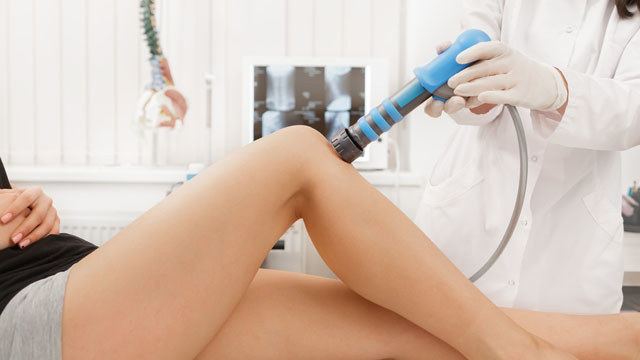
Treatment at Narsha Hospital is tailored to each patient's diagnosis, symptom severity, and lifestyle demands rather than a standardized protocol. Non-surgical options are generally explored first, with surgery reserved for cases that do not respond to conservative care or involve significant structural damage such as a complete ligament rupture or severe nerve compression.
Non-Surgical Treatment Options
- Physical and manual therapy to restore flexibility, strength, and proper movement mechanics, often including eccentric strengthening exercises shown to support tendon healing
- Extracorporeal shock wave therapy (ESWT), which uses targeted acoustic pulses to stimulate blood flow and cellular repair in damaged tendon tissue, often used for chronic tendinitis unresponsive to rest alone
- Targeted injection therapy, which may include corticosteroid injections to reduce acute inflammation, depending on the specific condition and patient profile
- Activity modification and bracing, which can reduce repetitive strain on the affected tendons while healing progresses
Surgical Treatment
When conservative treatment does not sufficiently relieve symptoms, or structural damage such as ligament tears or nerve compression is significant, surgical intervention may be recommended. Depending on the condition, this may involve arthroscopic debridement of damaged tendon tissue, release of a compressed nerve, or ligament reconstruction. Surgical planning is based on precise imaging and a clear understanding of the patient's functional goals, whether returning to competitive sport, resuming physically demanding work, or simply performing daily tasks without pain.
Who Is a Candidate for Treatment?
Elbow treatment approaches vary depending on individual circumstances, and not every case requires the same level of intervention. Patients are generally evaluated based on:
- Duration and severity of symptoms — Pain lasting several weeks, worsening with activity, or interfering with sleep typically warrants a professional evaluation.
- Presence of nerve symptoms — Numbness, tingling, or hand weakness, as seen in cubital tunnel syndrome, often signals a need for closer nerve assessment and, in some cases, earlier intervention.
- Activity level and demands — Athletes, manual laborers, and those whose work depends on repetitive arm use may require more definitive treatment to safely return to their activities.
- Response to prior treatment — Patients who have already tried rest, bracing, or physical therapy without meaningful improvement may be candidates for ESWT, injection therapy, or surgery.
- Imaging findings — The extent of tendon damage, ligament tearing, or nerve compression seen on MRI or ultrasound plays a central role in determining whether surgery is appropriate.
A thorough physical examination combined with imaging findings ultimately determines the most appropriate path forward for each patient.
The Diagnostic and Treatment Process
Care at Narsha Hospital follows a structured process designed to ensure an accurate diagnosis before any treatment begins:
- Initial consultation and physical examination, during which the physician reviews symptom history, occupational and activity factors, and tests joint stability, strength, range of motion, and nerve function.
- In-house diagnostic imaging, including X-ray, MRI, and ultrasound, allowing the medical team to confirm the diagnosis and rule out other causes of elbow pain without delays associated with outsourced testing.
- Personalized treatment planning, where the physician discusses non-surgical and, if necessary, surgical options based on the specific findings, along with expected timelines.
- Treatment delivery, whether through therapy, injection, shockwave treatment, or surgery performed in operating rooms maintained to ISO Class 5 (Class 100) cleanroom standards.
- Structured rehabilitation, guided by physical therapists holding internationally recognized manual therapy certifications, with programs adjusted as the patient progresses.
Specialized Orthopedic Expertise
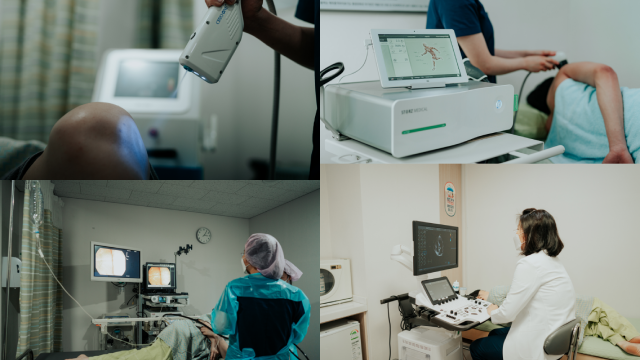
Narsha Hospital's orthopedic surgeons focus specifically on shoulder and elbow conditions rather than general orthopedic practice, allowing for depth of clinical experience in this narrower area of musculoskeletal medicine. The medical team collaborates closely across orthopedic surgery, internal medicine, anesthesiology, and diagnostic radiology to ensure each treatment plan is grounded in a precise, well-supported diagnosis rather than a general assumption.
This focused approach is further supported by the hospital's Narsha Shoulder & Joint Research Center, which contributes to ongoing academic research, participation in live surgery symposiums, and continuous refinement of surgical techniques.
Why Patients Choose Narsha Hospital
Several factors distinguish Narsha Hospital's approach to elbow care:
- Exclusive focus on shoulder and elbow conditions, rather than general orthopedics, allowing for concentrated clinical experience
- In-house advanced imaging, including X-ray, MRI, and ultrasound, reducing diagnostic delays
- Operating rooms built to strict cleanroom standards, supported by HEPA-filtered air handling systems designed to reduce infection risk
- Comprehensive nursing and caregiving services, reducing the burden on family members during recovery
- Freshly prepared, nutritionally balanced meals provided daily to support recovery during an inpatient stay
- A 13-story facility designed to support patients through every stage, from diagnosis to surgery and rehabilitation, under one roof
Recovery, Safety, and Realistic Expectations
Recovery timelines vary depending on the specific condition, its severity, and the treatment approach chosen. Non-surgical treatments such as physical therapy or ESWT often involve a gradual return to activity over several weeks, with improvement typically building progressively. Surgical recovery typically requires a more structured rehabilitation program over a longer period, often beginning with protected movement followed by a gradual reintroduction of strength and range-of-motion exercises.
Safety is supported by operating rooms maintained to ISO Class 5 cleanroom standards, dedicated anesthesiology oversight, and in-house imaging that allows the surgical team to plan procedures with precise anatomical detail beforehand.
Outcomes depend on individual factors, including the severity of the original injury, adherence to rehabilitation protocols, overall health, and how early treatment began relative to symptom onset. While many patients experience significant improvement in pain and function, no treatment can guarantee a specific outcome, and realistic expectations should always be discussed directly with the treating physician.
Conclusion
Elbow joint diseases, from tennis elbow to nerve compression syndromes and ligament injuries, can significantly affect daily life, work capacity, and physical activity if left unaddressed. At Narsha Hospital in Dongnae-gu, Busan, patients have access to a dedicated team of orthopedic specialists who focus specifically on shoulder and elbow care, supported by in-house diagnostic imaging, rigorous surgical safety standards, and structured, certification-backed rehabilitation services. For anyone experiencing persistent elbow pain, numbness, or reduced function, a professional evaluation is the first step toward an accurate diagnosis and an appropriate, individualized treatment plan tailored to their specific condition and recovery goals.
More Articles
Continue reading our clinical guides.

Guide to Elbow Joint Diseases and Treatment
Discover retinal disease care, from diagnosis and treatment to ongoing vision support. Learn how expert care can protect your sight—explore your options today.
Learn More
Are You a Candidate for Sports Injury Treatment
Find out if you’re a candidate for sports injury treatment, explore your options, and learn how expert care can speed recovery. Book a consultation today.
Learn More

Shoulder Pain Explained: Diseases and Treatment Approaches
Understand shoulder pain, its common causes, related diseases, and effective treatment approaches. Explore your options and take the first step toward relief.
Learn More