Busan Shoulder & Joint Surgery · Dedicated International Patient Care


Specialty Overview
Elbow Joint Diseases
Elbow Joint Diseases refer to a group of conditions affecting the elbow, a hinged joint made up of three bones — the humerus, radius, and ulna — that allows movements such as bending, stretching, and rotating the forearm.
Schedule a ConsultationWhat Does Elbow Joint Diseases Mean in Orthopedics and Rehabilitation?

Elbow Joint Diseases refer to a group of conditions affecting the elbow, a hinged joint made up of three bones — the humerus, radius, and ulna — that allows movements such as bending, stretching, and rotating the forearm. Because the elbow is used so frequently in daily life and work, it is especially prone to overuse-related pain and injury, particularly among people who repeatedly use their arms and hands.
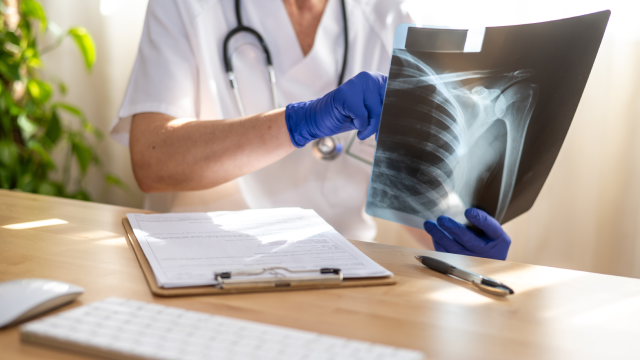
At Narsha Hospital, Elbow Joint Diseases are evaluated through the Narsha Diagnostic System, a structured, multi-step diagnostic process. This begins with X-rays and a physical examination of the affected area, followed by MRI or ultrasound scans when more detailed internal imaging is required. MRI provides in-depth images useful for identifying the precise nature of soft tissue and joint damage, while ultrasound offers a faster, lower-cost option that is especially useful for guiding injection therapy with accurate needle placement.
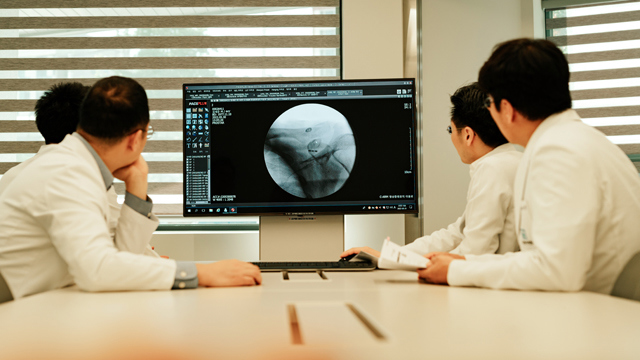
Once imaging is complete, orthopedic surgeons and radiologists at Narsha Hospital collaboratively review the X-rays and MRI scans to determine whether an Elbow Joint Disease requires surgical treatment. When surgery is indicated, the departments of Anesthesiology and Pain Medicine and Internal Medicine work together with the orthopedic team to help ensure the patient's surgical stability. Following this collaborative review, orthopedic specialists present the recommended surgical or non-surgical treatment options directly to the patient for discussion before any decision is made.
This structured approach allows Narsha Hospital to accurately distinguish between the many Elbow Joint Diseases that can cause similar pain patterns, ensuring treatment is based on a confirmed diagnosis rather than assumption.
Advanced Elbow Joint Diseases Treatment in Orthopedics and Rehabilitation for Expert, Patient-Focused Care
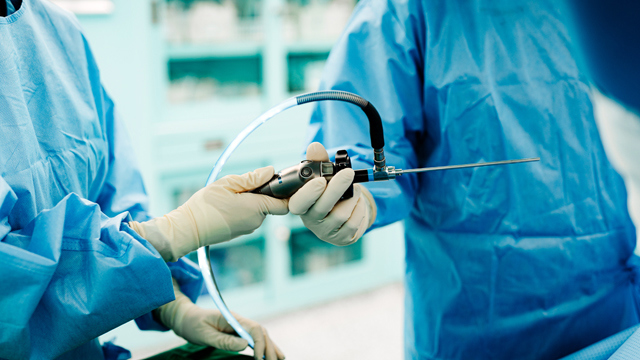
Ongoing elbow pain can quietly interfere with everyday tasks — gripping, lifting, typing, or even shaking hands. Conditions such as Tennis Elbow, Golfer's Elbow, and Cubital Tunnel Syndrome are often linked to repetitive strain, and patients frequently delay seeking care, unsure whether the pain will resolve on its own. Left untreated, elbow problems can worsen over time or progress into conditions that require surgical treatment.
Patients do not need to manage this uncertainty alone. At Narsha Hospital, orthopedic specialists focus on accurately identifying the specific cause of elbow pain before recommending any treatment path, so that care decisions are grounded in a clear diagnosis rather than trial and error. The goal throughout is patient comfort, safety, and a treatment plan suited to the specific condition and the individual's daily demands on the joint.
Specialty Services & Treatments for Elbow Joint Diseases in Orthopedics and Rehabilitation
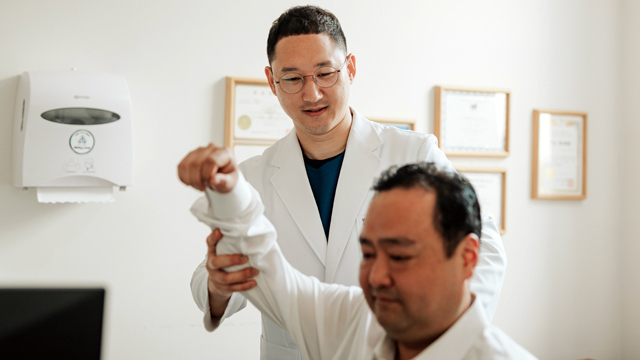
Narsha Hospital's Orthopedics and Rehabilitation team diagnoses and treats the following Elbow Joint Diseases:
Ulnar Collateral Ligament Tear
For these conditions, treatment options include:Diagnostic Evaluation — X-ray and physical examination, with MRI or ultrasound performed when more detailed diagnostic information is needed
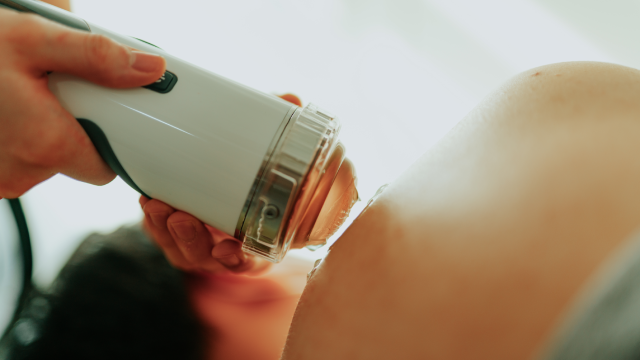
Non-Surgical Treatment — medication, injection therapy, Extracorporeal Shock Wave Therapy (ESWT), and manual physical therapy
Surgical Treatment — performed by orthopedic specialists within a germ-free operating suite meeting ISO 5, Class 100 international air quality standards, when non-surgical management is not sufficient
Post-Treatment Rehabilitation — individualized manual physical therapy guided by certified physical therapists, supported by equipment such as Red Cord Slings and ESWT devices
Narsha Hospital is a strong choice for Elbow Joint Diseases because each treatment step — from diagnosis through surgery and recovery — is coordinated across multiple departments, allowing the treatment plan to reflect both the specific disease and the patient's individual condition and recovery goals.
Why Choose Narsha Hospital for Elbow Joint Diseases & Key Procedures in Orthopedics and Rehabilitation
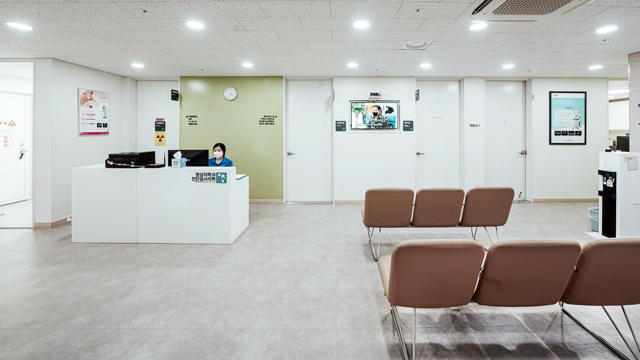
- Specialized, High-Volume Experience — Narsha Hospital's orthopedic team performs approximately 1,200+ shoulder and elbow surgeries per year, reflecting a practice built specifically around shoulder and elbow care rather than general orthopedics
- Multi-Department Collaborative Diagnosis — the Narsha Diagnostic System brings together orthopedic surgery, radiology, anesthesiology and pain medicine, and internal medicine so that surgical decisions and pre-surgical stability are addressed as a coordinated process
- Germ-Free Operating Suite — all operating rooms satisfy ISO 5, Class 100 international air quality standards, the same standard required for heart surgery, supported by a dedicated Sterilization Center using Sakura Seiki sterilizers and washers
- Structured Rehabilitation Program — approximately 21 certified physical therapists deliver individualized manual physical therapy across early (0–4 weeks), mid (4–12 weeks), and late (after 12 weeks) recovery stages, supported by 14 Red Cord Slings and Storz ESWT equipment
- Comprehensive Nursing Care Service — available since 2019, providing 24-hour professional nursing care so patients do not need a family member or caregiver present during their hospital stay
- Dedicated Patient Nutrition — meals are prepared by a dietitian with high-protein content appropriate for recovery after elbow surgery, with individualized counseling available for special dietary needs
Since its founding in 2018, Narsha Hospital has built its practice specifically around shoulder and elbow conditions, serving approximately 45,000 patient visits per year through this focused, multi-department approach to care.
Meet the Specialists in Elbow Joint Diseases
 |
 |
 |
|---|---|---|
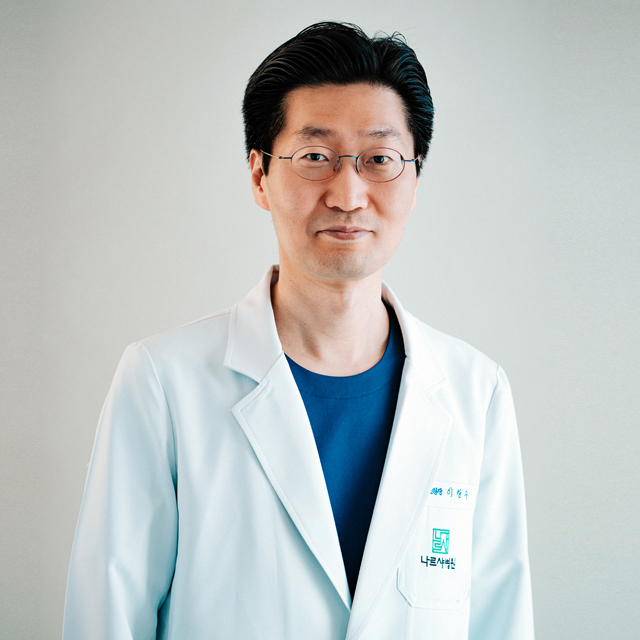
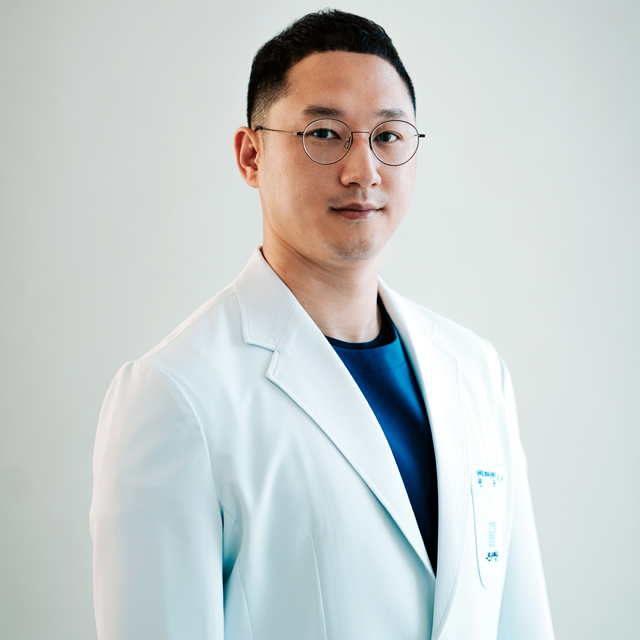
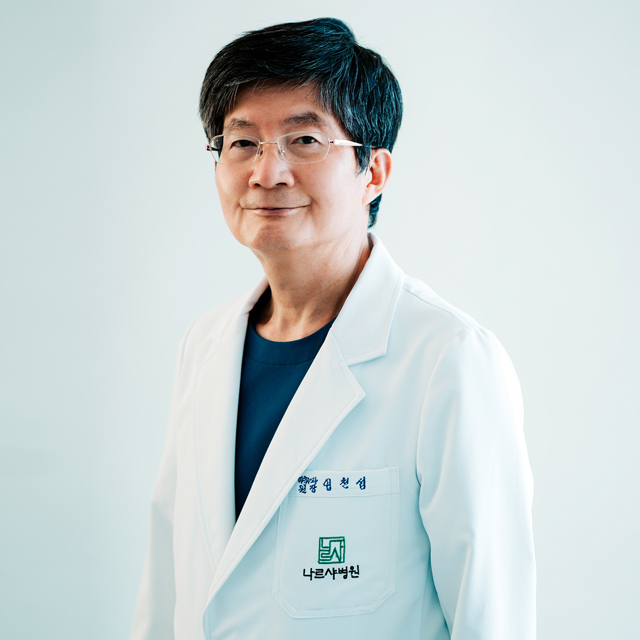
| Dr. Lee Changsoo, M.D.Orthopedic Surgeon | Dr. Lee Dongki, M.D.Orthopedic Surgeon | Dr. Rhim Chunsub, M.D.Anesthesiologist |
Dr. Lee Changsoo— Orthopedic Surgery
Dr. Lee Changsoo earned his medical degree from the College of Medicine at Inje University and completed his residency in Orthopedic Surgery at Inje University Paik Hospital, later serving as a professor focused on shoulder and elbow care. He furthered his training as a visiting professor at Balgrist Hospital, University of Zurich in Switzerland, and at the McKay Orthopaedic Research Laboratory, University of Pennsylvania in the United States, and has served as head of the joint center at Seoul Bumin Hospital and Haeundae Bumin Hospital. He is a member of The Korean Orthopaedic Association and the Korean Shoulder and Elbow Society.
Dr. Lee Dongki— Orthopedic Surgery
Dr. Lee Dongki earned his medical degree from the College of Medicine at Kyunghee University and completed his residency in Orthopedic Surgery at the same institution. He completed a fellowship at the Seoul Shoulder and Elbow Center, spanning Seoul National University, Samsung Hospital, and St. Mary's Hospital, and later served as a clinical professor focused on shoulder and elbow care at Kyunghee University, along with overseas training at the Kerlan-Jobe Clinic, Keck Hospital of the University of Southern California, and Langone Hospital at New York University. He is a member of The Korean Orthopaedic Association and the Korean Shoulder and Elbow Society.
Dr. Rhim Chunsub— Anesthesiology and Pain Medicine
Dr. Rhim Chunsub earned his medical degree from the College of Medicine at Busan National University and completed his residency in Anesthesiology at the same institution, with clinical experience at Ulsan Bakchun Hospital, Ulsan Gilmary Hospital, and Ulsan Taewha Hospital. His role supports safe, comfortable surgical procedures for patients undergoing elbow treatment at Narsha Hospital.
Together, this team applies a shared, patient-centered approach — accurately diagnosing the specific Elbow Joint Disease first, then coordinating surgical and non-surgical care around each patient's individual condition and recovery goals.
Real Patient Journeys for Elbow Joint Diseases
Case Example 1: Tennis Elbow
A patient presented with pain on the outer part of the elbow that worsened with gripping and lifting activities, gradually affecting work and daily tasks. Following X-ray and physical examination, the orthopedic team confirmed Tennis Elbow and began with non-surgical treatment, including injection therapy and manual physical therapy, alongside a personalized rehabilitation plan guided by a certified physical therapist.
Case Example 2: Cubital Tunnel Syndrome
A patient reported numbness and tingling extending into the ring and little fingers, along with elbow discomfort. Diagnostic evaluation confirmed Cubital Tunnel Syndrome, and after non-surgical measures did not fully resolve the symptoms, surgical treatment was performed. The patient then progressed through a staged rehabilitation program, from early joint relaxation exercises through active range-of-motion training.
These examples are illustrative of the general treatment approach at Narsha Hospital and do not represent guaranteed outcomes, as recovery varies by individual condition and circumstances.
International Patients & Global Support for Elbow Joint Diseases Care
Narsha Hospital welcomes patients from across South Korea and around the world for Elbow Joint Diseases treatment, supported by a structured, multi-department care process designed to guide each patient from initial diagnosis through recovery.
Support for patients traveling for care includes:
- Coordinated diagnostic scheduling across orthopedic surgery, radiology, anesthesiology, and internal medicine within a single visit process
- Comprehensive Nursing Care Service, providing 24-hour professional nursing so patients do not need to arrange a caregiver during their hospital stay
- Individualized dietary counseling, including high-protein patient meals prepared by an in-house dietitian
- A structured, staged rehabilitation program (early, mid, and late recovery) guided by certified physical therapists following surgery
From first evaluation through post-treatment rehabilitation, Narsha Hospital's coordinated care model is designed to support patients through each stage of their Elbow Joint Disease treatment journey.
What to Expect from Elbow Joint Diseases Treatment at Narsha Hospital
Step 1: Initial Consultation and Diagnostic Evaluation
Patients begin with an X-ray and physical examination of the elbow. If more detailed information is needed, an MRI or ultrasound scan is performed — MRI for detailed internal imaging, or ultrasound for a faster, lower-cost option that also assists with precise injection guidance.
Step 2: Collaborative Diagnosis and Personalized Treatment Planning
Orthopedic surgeons and radiologists review the imaging together to determine whether the condition requires surgical treatment. If surgery is needed, anesthesiology and pain medicine and internal medicine collaborate on the patient's surgical stability. Orthopedic specialists then present the recommended non-surgical or surgical treatment options and discuss them directly with the patient.
Step 3: Treatment and Ongoing Rehabilitation
Non-surgical treatment may include medication, injection therapy, ESWT, or manual physical therapy. If surgery is performed, it takes place within Narsha Hospital's germ-free operating suite. Recovery is supported by a staged rehabilitation program — early (0–4 weeks), mid (4–12 weeks), and late (after 12 weeks) — delivered by certified physical therapists using equipment such as Red Cord Slings, with the full return of range of motion typically taking three to six months.
Take the Next Step for Your Elbow Joint Disease Treatment
Ongoing elbow pain or reduced grip strength can affect work, daily tasks, and sleep — and the right treatment path starts with an accurate diagnosis. Narsha Hospital's Orthopedics and Rehabilitation team is available to evaluate your condition, explain your treatment options clearly, and guide you through a personalized care and recovery plan.
To speak directly with Narsha Hospital's care team about Elbow Joint Diseases treatment, contact the appointment desk to arrange your initial evaluation.
Related Services
Procedures available within our clinical departments.

Digestive Disorders
Digestive disorders encompass a wide range of conditions affecting the esophagus, stomach, duodenum, and colon, often producing symptoms such as abdominal discomfort, bloating, changes in bowel habits, or difficulty digesting food.
Learn More
Non-surgical Sports Treatment
Non-surgical sports treatment refers to conservative care for shoulder and elbow injuries sustained during athletic competition, training, or recreational sports activity, without the need for an operation.
Learn More
Shoulder Fracture
A shoulder fracture refers to a break in one of the bones that make up the shoulder girdle — most commonly the proximal humerus, but also the clavicle or scapula — typically resulting from a fall, direct impact, or high-energy trauma.
Learn More