Busan Shoulder & Joint Surgery · Dedicated International Patient Care


Shoulder Joint Diseases · Needs Clinic Confirmation
Shoulder Fracture
A shoulder fracture refers to a break in one of the bones that make up the shoulder girdle — most commonly the proximal humerus, but also the clavicle or scapula — typically resulting from a fall, direct impact, or high-energy trauma.
Schedule a ConsultationWhat Is a Shoulder Fracture? Understanding Broken Bones of the Shoulder

A shoulder fracture refers to a break in one of the bones that make up the shoulder girdle — most commonly the proximal humerus, but also the clavicle or scapula — typically resulting from a fall, direct impact, or high-energy trauma. Because the shoulder joint depends on the precise alignment of these bones for its wide range of motion, even a relatively small fracture can significantly affect movement and function if not properly evaluated and treated.
Shoulder fracture treatment depends heavily on the fracture pattern: whether the bone is stable and well-aligned, or displaced and requiring realignment. Many stable, non-displaced fractures can be managed conservatively with immobilization, medication, and a structured physical therapy program. Displaced or more complex fractures, however, often require surgical fixation using plates and screws, or in select severe cases involving the shoulder joint itself, reverse total shoulder arthroplasty. Because fracture severity varies so widely, accurate imaging is essential to determine the most appropriate treatment path.
Who Needs Shoulder Fracture Treatment?
Shoulder fractures can affect patients of nearly any age, though certain patterns are commonly seen among those seeking evaluation.
- Older adults in their 60s and above who sustain a fracture from a fall, often related to reduced bone density
- Younger, active individuals who fracture the shoulder during sports, cycling, or other high-impact activities
- Patients involved in a motor vehicle accident or other high-energy trauma affecting the shoulder
- Individuals experiencing significant pain, swelling, or visible deformity of the shoulder following an injury
- Patients unable to move the affected arm normally after a fall or impact
- Those with imaging showing a displaced fracture that may require surgical realignment
- Patients recovering from a recent fracture who want guidance on immobilization and rehabilitation timelines
- Individuals seeking a second opinion on whether their fracture requires surgical fixation
Meet the Shoulder Specialists
 |
 |
 |
|---|---|---|
| Dr. Lee ChangsooOrthopedic Surgeon | Dr. Lee DongkiOrthopedic Surgeon | Dr. Rhim Chunsub Anesthesiologist |
Shoulder fracture treatment at Narsha Hospital is provided by a team of fellowship-trained shoulder and elbow surgeons, supported by dedicated anesthesiology and imaging staff for surgical fixation cases.
Dr. Lee Changsoo is a Professor of Shoulder Surgery at Inje University Paik Hospital who has also served as a Visiting Professor at Balgrist Hospital, University of Zurich, and the McKay Orthopaedic Research Laboratory at the University of Pennsylvania. He previously led the Joint Centers at Seoul Bumin Hospital and Haeundae Bumin Hospital, and is a member of both the Korean Orthopaedic Association and the Korean Shoulder and Elbow Society.
Dr. Lee Dongki is a Clinical Professor of Shoulder Surgery at Kyunghee University and a fellowship graduate of the Seoul Shoulder and Elbow Center, a program affiliated with Seoul National University, Samsung Hospital, and St. Mary's Hospital. His overseas training includes the Kerlan-Jobe Clinic, Keck Hospital at the University of Southern California, and Langone Hospital at New York University. His published research in the Journal of Shoulder & Elbow Surgery (JSES) reflects the diagnostic rigor applied across shoulder conditions treated at the hospital, including complex fracture cases.
Dr. Rhim Chunsub, an anesthesiologist trained at Busan National University, supports patients undergoing surgical fracture fixation, ensuring safe and comfortable anesthesia care throughout the procedure.
This team shares a care philosophy centered on precise fracture assessment through imaging, individualized decisions between conservative and surgical management, and rehabilitation focused on restoring function and bone healing.
Shoulder Fracture Treatment Areas and Expected Improvements
- Proximal humerus: The most common site of shoulder fracture, located at the top of the upper arm bone. Depending on displacement, treatment ranges from sling immobilization to plate fixation, aiming to restore proper bone alignment and support healing.
- Clavicle (collarbone): A frequent fracture site, particularly from falls or direct impact. Non-displaced clavicle fractures are often managed with a sling, while displaced fractures may require surgical plate fixation to restore alignment.
- Scapula (shoulder blade): Less commonly fractured due to its protected position, scapular fractures often result from high-energy trauma and are evaluated carefully for any involvement of the shoulder joint surface.
- Shoulder joint surface (in complex cases): When a fracture significantly disrupts the joint itself, more extensive reconstruction, such as reverse total shoulder arthroplasty, may be considered to restore functional joint movement.
Most patients can expect the fractured bone to heal with appropriate immobilization or surgical fixation, along with a structured rehabilitation program to restore shoulder strength and range of motion, though healing timelines and final function vary based on fracture severity, patient age, and bone quality. No specific outcome or healing timeline can be guaranteed.
Shoulder Fracture Treatment Process and Timeline
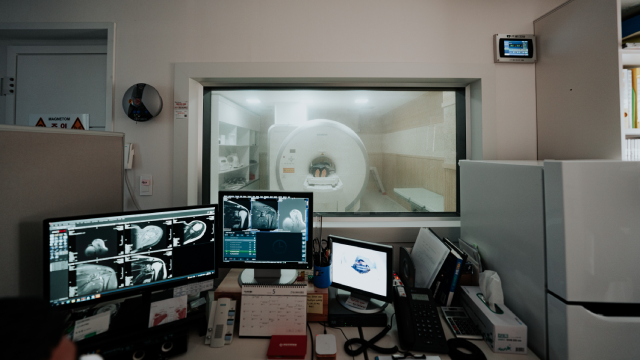
Treatment at Narsha Hospital follows a structured process from initial injury assessment through full functional rehabilitation.
- Initial Consultation and Imaging: A shoulder specialist evaluates the injury, supported by in-house X-ray, MRI, or CT-correlated assessment to determine fracture pattern, location, and degree of displacement.
- Treatment Planning: Based on fracture stability and displacement, the care team determines whether conservative immobilization or surgical fixation is the appropriate path.
- Non-Surgical Treatment (if appropriate): This typically involves sling or brace immobilization, pain management, and a carefully timed introduction of physical therapy as healing progresses.
- Surgical Fixation (if indicated): For displaced or complex fractures, surgical stabilization using plates and screws, or reverse total shoulder arthroplasty in select cases, is performed in an ISO Class 5 (Class 100) cleanroom operating room.
- Immediate Post-Treatment Care: Patients receive guidance on immobilization protocols, pain management, and activity restrictions during the early healing period.
- Follow-Up and Rehabilitation: Structured physical therapy begins once bone healing allows, guided by physical therapists holding internationally recognized manual therapy certifications, progressing from gentle motion to strengthening exercises.
Mild swelling, bruising, or discomfort at the fracture site is common in the initial weeks and generally improves with standard aftercare guidance.
Shoulder Fracture Results, Safety, and Recovery Considerations
Healing timelines for shoulder fractures vary considerably depending on fracture severity, location, and whether treatment is conservative or surgical. Non-displaced fractures managed with immobilization often show bone healing over several weeks, while surgically fixed fractures typically follow a longer recovery process involving progressive rehabilitation phases as the bone heals around the fixation hardware.
Both conservative and surgical approaches to shoulder fracture treatment carry a generally favorable safety profile when managed by experienced specialists, though potential side effects can include swelling, bruising, stiffness, or discomfort during the healing process. Infection risk during surgical fixation is minimized through Narsha Hospital's ISO Class 5 cleanroom operating standards, though as with any surgical procedure, serious complications, while rare, are possible.
Final healing and functional outcomes vary by individual, and no specific timeline or result can be guaranteed. Patients are encouraged to discuss realistic expectations for their specific fracture pattern directly with their surgeon.
Why Choose Narsha Hospital for Shoulder Fracture Treatment?
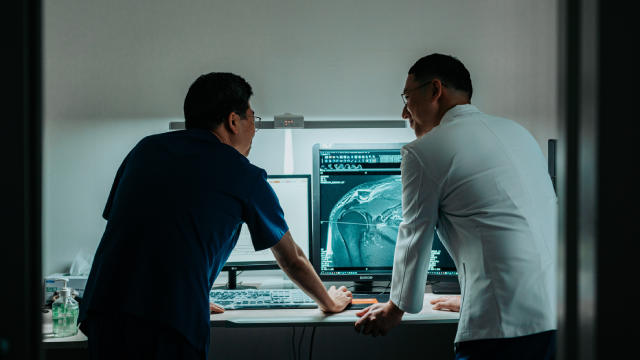
Narsha Hospital is one of the few hospitals in the region built exclusively around shoulder and elbow joint care, performing more than 1,200 shoulder and elbow surgeries annually across roughly 45,000 patient visits a year. This concentrated clinical focus means shoulder fracture patients, from stable injuries to complex displaced fractures, are evaluated by specialists with deep, ongoing experience in this specific area of orthopedic trauma care.
Diagnosis is supported by in-house X-ray, MRI, and ultrasound imaging, allowing for prompt, accurate fracture assessment without the delays of outsourced testing. For patients requiring surgical fixation, procedures take place in operating rooms built to ISO Class 5 (Class 100) cleanroom standards with dedicated HEPA-filtered air handling. The hospital's treatment philosophy emphasizes individualized decision-making between conservative immobilization and surgical fixation based on each patient's specific fracture pattern and bone quality.
Clinic Highlights:
- Shoulder and elbow-focused surgical team led by Dr. Lee Changsoo and Dr. Lee Dongki, both fellowship-trained with international clinical experience
- In-house MRI, X-ray, and ultrasound imaging for prompt, accurate fracture assessment
- ISO Class 5 (Class 100) cleanroom operating rooms with HEPA-filtered air handling for surgical safety
- Structured post-treatment rehabilitation led by internationally certified physical therapists, supported by comprehensive nursing and caregiving services
The hospital's ongoing research contributions, including Dr. Lee Dongki's JSES-published work, reflect a broader institutional commitment — through the Narsha Shoulder & Joint Research Center — to keeping treatment protocols aligned with current advances in shoulder and elbow medicine.
Real Patient Examples
Shoulder Fracture Patient, Late 60s
A patient in their late 60s sustained a proximal humerus fracture after a fall at home. Imaging showed a stable, non-displaced fracture pattern, and the patient was managed with sling immobilization followed by a structured physical therapy program. Over the following weeks, the patient reported steady improvement in shoulder movement and strength.
Shoulder Fracture Patient, Mid-30s
A patient in their mid-30s fractured their clavicle in a cycling accident, with imaging revealing significant displacement. The patient underwent surgical plate fixation, followed by a phased rehabilitation program beginning with gentle motion exercises. The patient noted gradual restoration of shoulder function through the recovery process.
Take the Next Step Toward Shoulder Fracture Recovery
A shoulder fracture requires prompt, accurate evaluation to determine whether immobilization or surgical fixation offers the best path toward proper healing.
[Schedule Your Shoulder Fracture Evaluation] — Connect with Narsha Hospital's shoulder specialist team for an in-house imaging evaluation and a personalized discussion of your treatment options, from conservative immobilization to surgical fixation, guided by fellowship-trained surgeons with international clinical experience in shoulder and elbow medicine.
For questions or to speak with our appointment desk, call our patient coordination team, who can help schedule your consultation and answer initial questions about the evaluation process.
Other Services
Explore additional treatments offered by our specialists.

Digestive Disorders
Digestive disorders encompass a wide range of conditions affecting the esophagus, stomach, duodenum, and colon, often producing symptoms such as abdominal discomfort, bloating, changes in bowel habits, or difficulty digesting food.
Learn More

Non-surgical Sports Treatment
Non-surgical sports treatment refers to conservative care for shoulder and elbow injuries sustained during athletic competition, training, or recreational sports activity, without the need for an operation.
Learn More
Shoulder Fracture
A shoulder fracture refers to a break in one of the bones that make up the shoulder girdle — most commonly the proximal humerus, but also the clavicle or scapula — typically resulting from a fall, direct impact, or high-energy trauma.
Learn More