Busan Shoulder & Joint Surgery · Dedicated International Patient Care

Sports Injuries · Needs Clinic Confirmation
Young Athlete Care
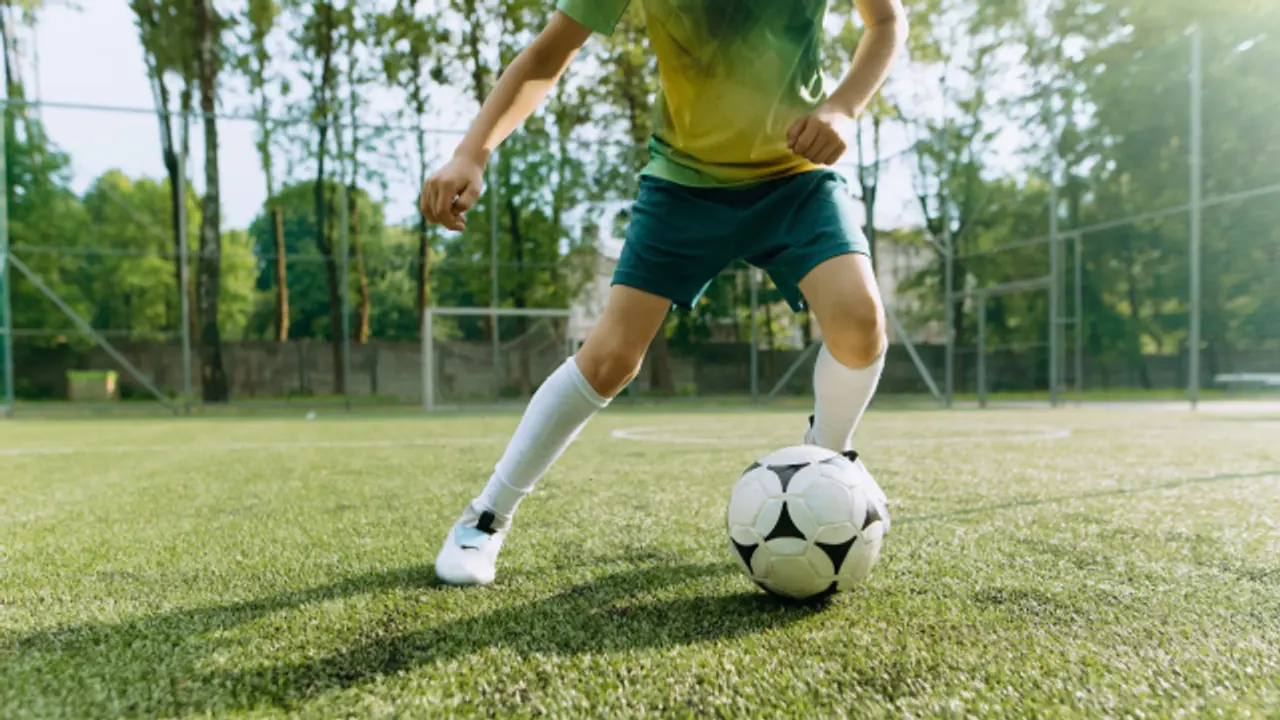
Young athlete care addresses the shoulder and elbow injuries that develop in youth sports participants, whose growth plates are weaker and more vulnerable to injury than those of adult athletes.
Schedule a ConsultationWhat Is Young Athlete Care? Understanding Youth Shoulder & Elbow Sports Injuries
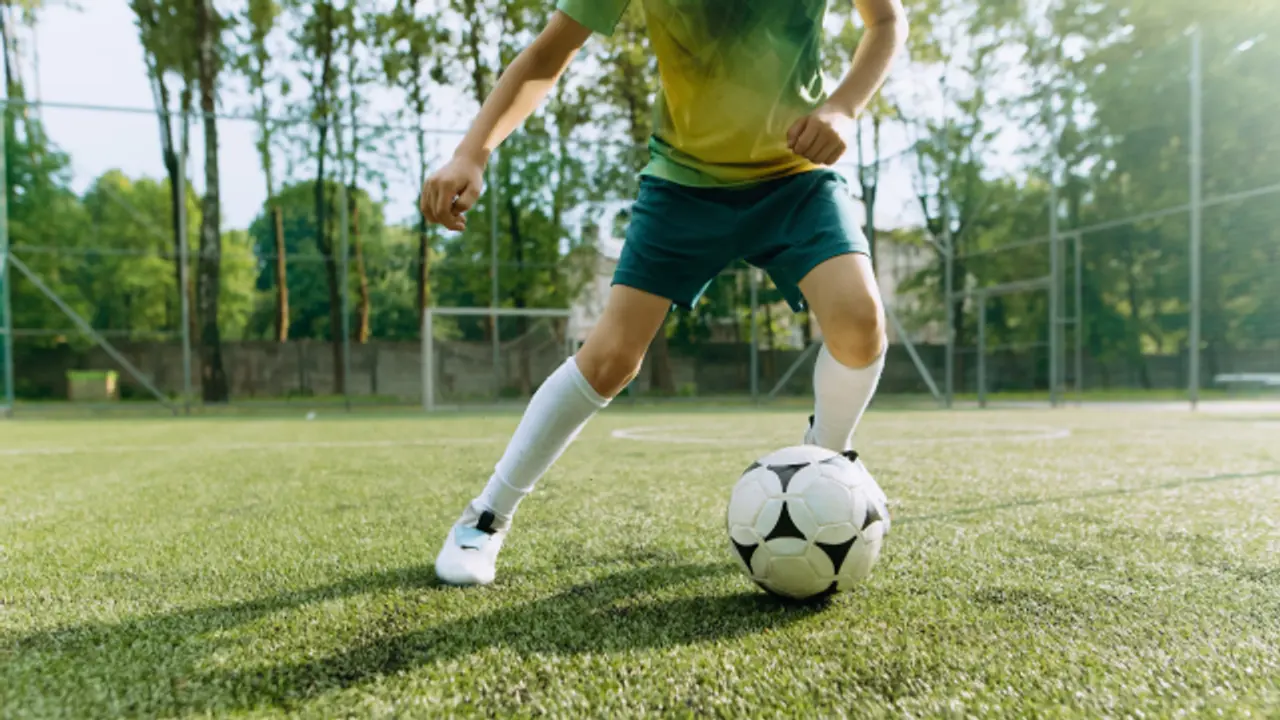
Young athlete care addresses the shoulder and elbow injuries that develop in youth sports participants, whose growth plates are weaker and more vulnerable to injury than those of adult athletes. Because treatment decisions must account for a young athlete's ongoing physical development and future athletic career, care for these conditions often differs meaningfully from the approach used for adult or recreational patients, even when the underlying diagnosis looks similar.
The representative conditions addressed in young athlete care are glenohumeral internal rotation deficit (GIRD), Little League shoulder, and Little League elbow — all closely tied to the repetitive overhead throwing and reaching motions common in youth baseball, badminton, tennis, and swimming. GIRD develops when the posterior shoulder capsule thickens and the anterior capsule stretches, reducing internal rotation while increasing external rotation; left uncorrected, this imbalance raises the risk of secondary conditions such as shoulder impingement syndrome, rotator cuff tears, and SLAP injuries. Little League shoulder and Little League elbow refer to growth-plate-related stress injuries from repetitive throwing, requiring careful, development-focused management. Treatment across all three conditions is grounded in early identification and conservative correction rather than surgery.
Who Needs Young Athlete Care?
Young athlete care is designed for youth sports participants showing early signs of overuse-related shoulder or elbow strain.
- Youth baseball, badminton, tennis, and swimming athletes in their pre-teens–late teens who train or compete frequently
- Young pitchers and throwing athletes experiencing shoulder fatigue or a noticeable drop in throwing performance
- Youth athletes whose shoulder feels tighter or less mobile on one side compared to the other
- Patients with elbow pain that develops or worsens during or after throwing activity
- Parents and coaches concerned about a young athlete's throwing volume, technique, or recovery habits
- Athletes recovering from a prior shoulder or elbow strain who want to prevent recurrence or progression
- Youth athletes who have not yet had a formal range-of-motion evaluation but show early signs of shoulder tightness
- Families seeking specialist guidance on safe long-term training and throwing volume for a growing athlete
Meet the Young Athlete Care Specialists
 |
 |
 |
|---|---|---|
| Dr. Lee ChangsooOrthopedic Surgeon | Dr. Lee DongkiOrthopedic Surgeon | Dr. Rhim Chunsub Anesthesiologist |
Young athlete care at Narsha Hospital is provided by a team of fellowship-trained shoulder and elbow surgeons experienced in sports medicine, supported by dedicated imaging and rehabilitation staff.
Dr. Lee Changsoo is a Professor of Shoulder Surgery at Inje University Paik Hospital who has also served as a Visiting Professor at Balgrist Hospital, University of Zurich, and the McKay Orthopaedic Research Laboratory at the University of Pennsylvania. He previously led the Joint Centers at Seoul Bumin Hospital and Haeundae Bumin Hospital, and is a member of both the Korean Orthopaedic Association and the Korean Shoulder and Elbow Society.
Dr. Lee Dongki is a Clinical Professor of Shoulder Surgery at Kyunghee University and a fellowship graduate of the Seoul Shoulder and Elbow Center, a program affiliated with Seoul National University, Samsung Hospital, and St. Mary's Hospital. His overseas training includes the Kerlan-Jobe Clinic — a center with deep experience in throwing-athlete care across all age groups — as well as Keck Hospital at the University of Southern California and Langone Hospital at New York University. His published research in the Journal of Shoulder & Elbow Surgery (JSES) reflects the diagnostic precision applied across all sports injury cases treated at the hospital, including youth-specific conditions.
Dr. Rhim Chunsub, an anesthesiologist trained at Busan National University, supports the broader care team in providing safe, comfortable care throughout the hospital's sports medicine services.
This team shares a care philosophy centered on early identification, conservative correction, and treatment planning that always considers the young athlete's ongoing growth and long-term athletic development.
Young Athlete Care: Treatment Areas and Expected Improvements
- Shoulder joint capsule and internal rotation range (GIRD): In young throwing athletes, the posterior capsule often thickens while the anterior capsule stretches. Sleeper stretching and rehabilitative exercise therapy aim to gradually restore balanced internal and external rotation, which is diagnosed by comparing internal rotation to the opposite shoulder — a deficit of 20 degrees or more confirms GIRD.
- Shoulder growth plate and rotator cuff region (Little League shoulder): Repetitive throwing stress on the still-developing shoulder growth plate can cause pain and reduced throwing performance in young pitchers. Management emphasizes rest from throwing, technique correction, and gradual, supervised return to activity.
- Elbow growth plate and medial elbow structures (Little League elbow): Similar repetitive stress on the elbow's growth plates and inner elbow structures can develop in young throwers. Conservative management focuses on activity modification, monitored throwing volume, and structured rehabilitation to protect the developing joint.
- Overall throwing mechanics and conditioning: Across all three conditions, correcting throwing mechanics and building supportive muscle strength around the shoulder and elbow is a central part of both treatment and prevention of secondary injuries.
Most young athletes can expect gradual improvement in joint range of motion, reduced fatigue, and restored throwing comfort with consistent conservative treatment, though the pace of correction depends on how early the condition is identified and how consistently stretching and therapy protocols are followed. No specific outcome or recovery timeline can be guaranteed, and consistency in home stretching routines plays a significant role in treatment success.
Young Athlete Care: Treatment Process and Timeline
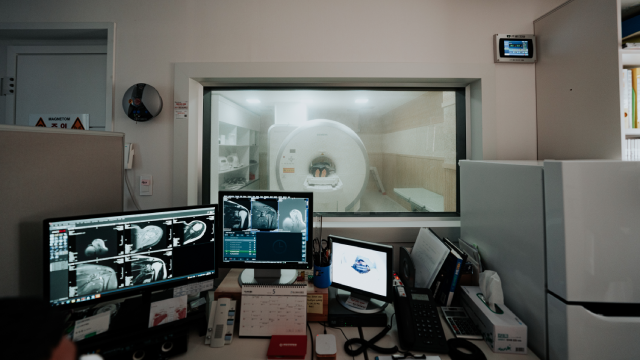
Treatment at Narsha Hospital follows a structured process designed around early detection and growth-conscious correction.
- Initial Consultation and Range-of-Motion Assessment: A sports injury specialist evaluates the young athlete's throwing history and symptoms, measuring shoulder internal and external rotation compared to the opposite side, supported by in-house X-ray, MRI, or ultrasound when further imaging is needed.
- Diagnosis: For suspected GIRD, a measured internal rotation deficit of 20 degrees or more compared to the unaffected shoulder confirms the diagnosis; Little League shoulder and elbow are assessed through symptom history, throwing volume, and imaging of the growth plate region.
- Individualized Treatment Planning: The care team designs a conservative plan tailored to the young athlete's specific condition, growth stage, and sport demands.
- Conservative Treatment: This centers on sleeper stretching and rehabilitative exercise therapy for GIRD, and activity/throwing-volume modification alongside rehabilitation for Little League shoulder and elbow.
- Home Stretching and Consistency Monitoring: Because consistent stretching is the most important factor in successful GIRD correction, families are guided on home stretching routines with periodic in-clinic reassessment.
- Gradual Return to Throwing: As range of motion and symptoms improve, a supervised, staged return to throwing activity is introduced to help protect against recurrence.
Mild stiffness or discomfort during stretching sessions is common in early treatment and typically eases as flexibility improves.
Young Athlete Care: Results, Safety, and Recovery Considerations
Consistent, ongoing stretching is the single most important factor in successfully correcting GIRD, and many young athletes see gradual improvement in shoulder rotation and reduced fatigue with regular adherence to a stretching and rehabilitation program. Little League shoulder and elbow generally respond well to rest, technique correction, and gradual, supervised return to throwing, though recovery timelines vary by how early the condition is identified.
Conservative young athlete care carries a favorable safety profile overall, with the main consideration being consistency of at-home stretching and rehabilitation exercises rather than procedural risk. As with any orthopedic condition, if left uncorrected, GIRD and related growth-plate stress injuries can contribute to secondary conditions such as shoulder impingement, rotator cuff tears, or SLAP injuries, which underscores the importance of early evaluation.
Results and the pace of correction vary by individual young athlete, and no specific outcome or timeline can be guaranteed. Families are encouraged to discuss realistic expectations and a sustainable long-term training plan directly with their treating specialist.
Why Choose Narsha Hospital for Young Athlete Care?
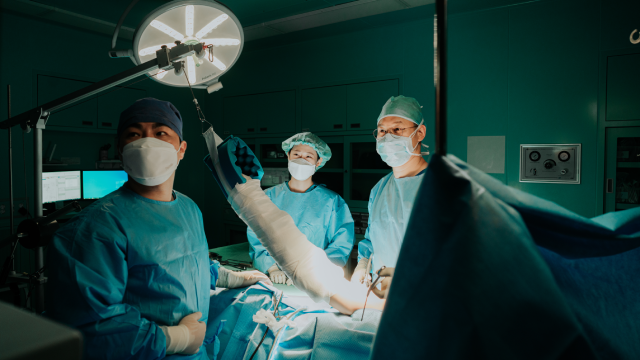
Narsha Hospital is one of the few hospitals in the region built exclusively around shoulder and elbow joint care, performing more than 1,200 shoulder and elbow surgeries annually across roughly 45,000 patient visits a year. This concentrated clinical focus means young athletes are evaluated by specialists with deep, ongoing experience distinguishing growth-related sports injuries from other shoulder and elbow conditions.
Diagnosis is supported by in-house X-ray, MRI, and ultrasound imaging, along with careful comparative range-of-motion testing, allowing for prompt, accurate assessment without the delays of outsourced testing. The hospital's treatment philosophy for young athletes is firmly conservative-first, prioritizing stretching, rehabilitative exercise, and growth-conscious activity management to protect long-term joint health and athletic development.
Clinic Highlights:
- Shoulder and elbow-focused specialist team led by Dr. Lee Changsoo and Dr. Lee Dongki, both fellowship-trained with international clinical experience, including at the Kerlan-Jobe Clinic, experienced in throwing-athlete care across age groups
- In-house MRI, X-ray, and ultrasound imaging for prompt, accurate assessment of youth shoulder and elbow injuries
- Growth-plate-conscious treatment planning tailored specifically to young, developing athletes
- Rehabilitation led by internationally certified physical therapists, supported by comprehensive nursing and caregiving services
The hospital's ongoing research contributions, including Dr. Lee Dongki's JSES-published work, reflect a broader institutional commitment — through the Narsha Shoulder & Joint Research Center — to keeping youth sports injury treatment protocols aligned with current advances in shoulder and elbow medicine.
Real Patient Examples
Young Athlete Care Patient, Youth Baseball Pitcher
A youth baseball pitcher in their early teens was brought in by a parent after coaches noticed declining throwing velocity and the athlete reported shoulder fatigue during games. Range-of-motion testing confirmed a significant internal rotation deficit compared to the opposite shoulder, consistent with GIRD. The athlete began a structured sleeper stretching and rehabilitative exercise program, with families guided on consistent at-home stretching. Over the following weeks, the athlete reported improved shoulder mobility and reduced fatigue during throwing.
Young Athlete Care Patient, Youth Swimmer
A youth competitive swimmer in their mid-teens developed shoulder tightness and mild discomfort during overhead strokes after an intensive training season. Evaluation identified early signs of reduced internal rotation, and the swimmer began a conservative stretching and exercise therapy program aimed at correcting the imbalance before it progressed to a more significant shoulder condition. The athlete noted improved shoulder comfort and range of motion with consistent follow-through on the home stretching routine.
Take the Next Step Toward Protecting Your Young Athlete's Shoulder and Elbow Health
Early evaluation and consistent conservative care can help correct youth shoulder and elbow imbalances before they progress into more serious sports injuries.
[Schedule Your Young Athlete Care Evaluation] — Connect with Narsha Hospital's sports injury specialist team for a comparative range-of-motion evaluation and a personalized conservative treatment plan, guided by fellowship-trained surgeons with international experience in youth and adult shoulder and elbow sports medicine.
For questions or to speak with our appointment desk, call our patient coordination team, who can help schedule your consultation and answer initial questions about the evaluation process.
Other Services
Explore additional treatments offered by our specialists.

Digestive Disorders
Digestive disorders encompass a wide range of conditions affecting the esophagus, stomach, duodenum, and colon, often producing symptoms such as abdominal discomfort, bloating, changes in bowel habits, or difficulty digesting food.
Learn More
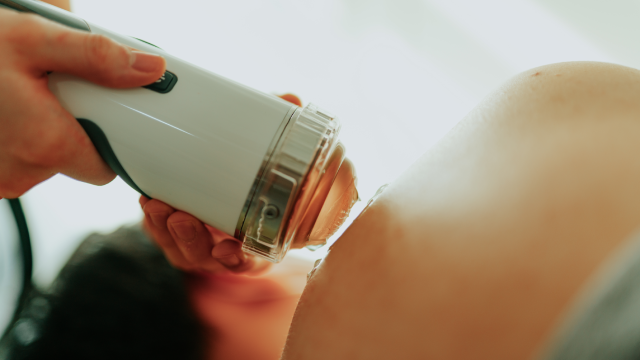
Non-surgical Sports Treatment
Non-surgical sports treatment refers to conservative care for shoulder and elbow injuries sustained during athletic competition, training, or recreational sports activity, without the need for an operation.
Learn More

Shoulder Fracture
A shoulder fracture refers to a break in one of the bones that make up the shoulder girdle — most commonly the proximal humerus, but also the clavicle or scapula — typically resulting from a fall, direct impact, or high-energy trauma.
Learn More