Busan Shoulder & Joint Surgery · Dedicated International Patient Care


Sports Injuries · Needs Clinic Confirmation
Pro Athlete Care
Pro athlete care addresses the reality that competitive athletes must consider their ongoing playing career when choosing a treatment path, which means the right approach for an athlete can differ meaningfully from the approach used for a general patient.
Schedule a ConsultationWhat Is Pro Athlete Care? Understanding Career-Conscious Sports Medicine

Pro athlete care addresses the reality that competitive athletes must consider their ongoing playing career when choosing a treatment path, which means the right approach for an athlete can differ meaningfully from the approach used for a general patient, even when the underlying diagnosis is identical. This distinction matters most for four representative conditions seen frequently in competitive athletes: glenohumeral internal rotation deficit (GIRD), rotator cuff tear, superior labrum (SLAP) tear, and ulnar collateral ligament (UCL) tear.
GIRD develops in athletes competing in overhead and throwing sports such as baseball, badminton, tennis, and swimming, where the shoulder's posterior capsule thickens and the anterior capsule stretches, increasing external rotation while decreasing internal rotation. Left uncorrected, this imbalance raises the risk of developing shoulder impingement syndrome, rotator cuff tears, and SLAP injuries — making early identification and correction a priority for any competitive athlete. Rotator cuff tears, SLAP tears, and UCL tears each carry their own decision-making complexity for athletes, since the choice between conservative management and surgery must weigh not just the injury itself but training timelines, competitive season schedules, and long-term career impact. Treatment planning for all four conditions begins with precise diagnostic imaging and functional assessment before any recommendation is made.
Who Needs Pro Athlete Care?
Pro athlete care is designed for competitive athletes across a range of sports and career stages who need treatment decisions that account for their playing career.
- Competitive athletes in overhead and throwing sports such as baseball, tennis, badminton, and swimming experiencing shoulder fatigue or reduced performance
- Athletes with a measurable internal rotation deficit compared to their opposite shoulder, consistent with GIRD
- Competitive throwers or overhead athletes with imaging-confirmed rotator cuff tears, SLAP tears, or UCL tears
- Athletes weighing how surgical timing might affect an upcoming competitive season or contract period
- Individuals whose performance has declined due to shoulder or elbow discomfort during training or competition
- Athletes who have already tried conservative treatment without adequate improvement and are considering surgical options
- Competitive players seeking a specialist opinion that specifically factors in return-to-play timelines and career considerations
- Athletes recovering from a previous shoulder or elbow injury who want a proactive plan to prevent recurrence during ongoing competition
Meet the Pro Athlete Care Specialists
 |
 |
 |
|---|---|---|
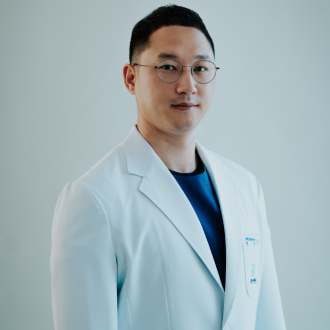
| Dr. Lee ChangsooOrthopedic Surgeon | Dr. Lee DongkiOrthopedic Surgeon | Dr. Rhim Chunsub Anesthesiologist |
Pro athlete care at Narsha Hospital is provided by a team of fellowship-trained shoulder and elbow surgeons with direct experience treating competitive athletes, supported by dedicated anesthesiology and imaging staff.
Dr. Lee Changsoo is a Professor of Shoulder Surgery at Inje University Paik Hospital who has also served as a Visiting Professor at Balgrist Hospital, University of Zurich, and the McKay Orthopaedic Research Laboratory at the University of Pennsylvania. He previously led the Joint Centers at Seoul Bumin Hospital and Haeundae Bumin Hospital, and is a member of both the Korean Orthopaedic Association and the Korean Shoulder and Elbow Society.
Dr. Lee Dongki is a Clinical Professor of Shoulder Surgery at Kyunghee University and a fellowship graduate of the Seoul Shoulder and Elbow Center, a program affiliated with Seoul National University, Samsung Hospital, and St. Mary's Hospital. His overseas training includes the Kerlan-Jobe Clinic — widely recognized for treating elite throwing athletes — as well as Keck Hospital at the University of Southern California and Langone Hospital at New York University. His published research in the Journal of Shoulder & Elbow Surgery (JSES) reflects the diagnostic rigor applied across all athlete cases treated at the hospital.
Dr. Rhim Chunsub, an anesthesiologist trained at Busan National University, supports competitive athletes undergoing surgical treatment, ensuring safe and comfortable anesthesia care throughout each procedure.
This team shares a care philosophy centered on precise diagnosis, weighing conservative and surgical options specifically through the lens of the athlete's competitive schedule and career goals, and coordinating closely with athletes on realistic return-to-play planning.
Pro Athlete Care: Treatment Areas and Expected Improvements
- Shoulder joint capsule and internal rotation range (GIRD): The posterior capsule thickens and the anterior capsule stretches in affected athletes, reducing internal rotation. A deficit of 20 degrees or more versus the opposite shoulder confirms the diagnosis, and sleeper stretching combined with rehabilitative exercise therapy aims to gradually restore balanced rotation and reduce the risk of secondary shoulder injury.
- Rotator cuff: A frequent site of injury in overhead athletes. Treatment ranges from conservative therapy and injection treatment to surgical repair when structural damage is significant, with the decision weighed carefully against the athlete's competitive timeline.
- Glenoid labrum (SLAP tear): Commonly injured in throwing athletes due to repetitive shoulder stress. Depending on severity and athletic demands, treatment may involve conservative rehabilitation or surgical labral repair aimed at restoring shoulder stability for overhead performance.
- Ulnar collateral ligament (UCL): A key elbow stabilizer frequently stressed in throwing athletes. Treatment ranges from conservative strengthening for partial tears to surgical reconstruction for complete tears, with return-to-throwing timelines factored heavily into the treatment decision.
Most athletes can expect a treatment plan that balances effective injury management with realistic consideration of their competitive schedule, working toward restored joint function and, where appropriate, a structured return to sport-specific training. Outcomes and return-to-play timelines vary considerably based on injury severity, sport, and individual healing, and no specific outcome or performance level can be guaranteed.
Pro Athlete Care: Treatment Process and Timeline
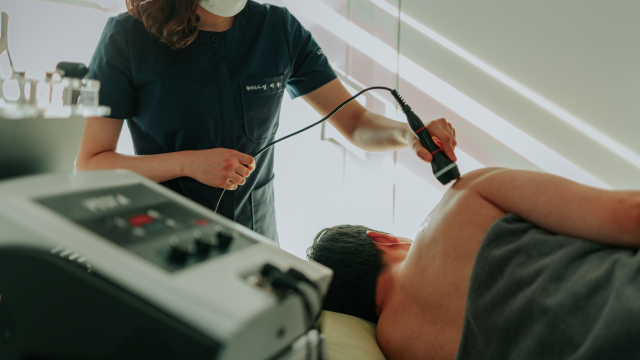
Treatment at Narsha Hospital follows a structured process that keeps the athlete's competitive career at the center of every decision.
- Initial Consultation and Comprehensive Assessment: A sports medicine specialist evaluates the athlete's specific injury, sport demands, and competitive calendar, supported by in-house X-ray, MRI, or ultrasound and comparative range-of-motion testing.
- Diagnosis: For GIRD, internal rotation is compared to the opposite shoulder, with a 20-degree or greater deficit confirming the diagnosis; rotator cuff, SLAP, and UCL injuries are confirmed through imaging and functional testing.
- Career-Conscious Treatment Planning: The care team discusses conservative and, where relevant, surgical options directly with the athlete, weighing injury severity against training schedules, season timing, and long-term career considerations.
- Conservative Treatment: This may include sleeper stretching, rehabilitative exercise therapy, ESWT, and injection therapy, often the first-line approach for GIRD and many soft tissue injuries.
- Surgical Treatment (if indicated): When conservative treatment is insufficient or the injury severity warrants it, the appropriate surgical procedure is performed in an ISO Class 5 (Class 100) cleanroom operating room.
- Staged, Sport-Specific Rehabilitation: Physical therapists holding internationally recognized manual therapy certifications guide a progressive rehabilitation program tailored to the athlete's sport, working toward a structured, monitored return to competition.
Consistency with prescribed stretching and rehabilitation exercises plays a significant role in outcomes, particularly for GIRD correction, and mild soreness or discomfort during early treatment phases is common and generally manageable.
Pro Athlete Care: Results, Safety, and Recovery Considerations
Recovery and return-to-play timelines for competitive athletes vary considerably depending on the specific condition, whether treatment is conservative or surgical, and the demands of the athlete's sport. For GIRD specifically, consistent, ongoing stretching is the most important factor in successful correction, while rotator cuff, SLAP, and UCL injuries generally follow longer, staged rehabilitation timelines when surgery is required.
Conservative treatments for pro athlete care carry a generally favorable safety profile, with potential side effects including temporary soreness or discomfort during stretching and rehabilitation. For athletes requiring surgery, Narsha Hospital's ISO Class 5 cleanroom operating standards help minimize infection risk, though as with any surgical procedure, complications are possible even if rare. If GIRD or similar imbalances are left uncorrected, they can contribute to secondary conditions such as rotator cuff tears or SLAP injuries, underscoring the value of early evaluation.
Results, recovery timelines, and return-to-competition outcomes vary by individual athlete and sport, and no specific outcome or timeline can be guaranteed. Athletes are strongly encouraged to discuss realistic expectations for their specific injury, sport, and competitive goals directly with their specialist.
Why Choose Narsha Hospital for Pro Athlete Care?
Narsha Hospital is one of the few hospitals in the region built exclusively around shoulder and elbow joint care, performing more than 1,200 shoulder and elbow surgeries annually across roughly 45,000 patient visits a year. This concentrated clinical focus means competitive athletes are treated by specialists with deep, ongoing experience in the specific injuries seen in overhead and throwing sports at a competitive level.
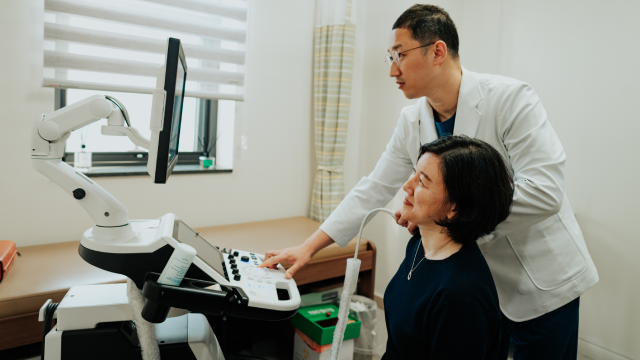
Diagnosis is supported by in-house X-ray, MRI, and ultrasound imaging along with careful comparative range-of-motion testing, allowing for prompt, accurate assessment without the delays of outsourced testing. For athletes requiring surgery, procedures take place in operating rooms built to ISO Class 5 (Class 100) cleanroom standards with dedicated HEPA-filtered air handling. The hospital's treatment philosophy is built around weighing conservative and surgical options specifically through the lens of the athlete's competitive career, rather than applying a one-size-fits-all protocol.
Clinic Highlights:
- Shoulder and elbow-focused surgical team led by Dr. Lee Changsoo and Dr. Lee Dongki, both fellowship-trained with international clinical experience, including at the Kerlan-Jobe Clinic, widely recognized for elite athlete care
- In-house MRI, X-ray, and ultrasound imaging with comparative range-of-motion testing for precise athlete assessment
- ISO Class 5 (Class 100) cleanroom operating rooms with HEPA-filtered air handling for surgical safety
- Staged, sport-specific rehabilitation and return-to-competition programs led by internationally certified physical therapists
The hospital's ongoing research contributions, including Dr. Lee Dongki's JSES-published work, reflect a broader institutional commitment — through the Narsha Shoulder & Joint Research Center — to keeping athlete-specific treatment protocols aligned with current advances in shoulder and elbow medicine.
Real Patient Examples
Pro Athlete Care Patient, Semi-Professional Baseball Pitcher
A semi-professional pitcher in their mid-20s noticed declining velocity and increasing shoulder fatigue over the course of a season. Range-of-motion testing confirmed a significant internal rotation deficit consistent with GIRD, and the athlete began a structured sleeper stretching and rehabilitative exercise program while continuing modified training. With consistent adherence to the stretching protocol, the athlete reported gradual improvement in shoulder mobility and reduced fatigue during outings.
Pro Athlete Care Patient, Competitive Tennis Player
A competitive tennis player in their late 20s developed persistent shoulder discomfort during serves, with imaging revealing a SLAP tear. After discussing the timing relative to the athlete's competitive calendar, the care team and athlete opted for surgical labral repair during an off-season window, followed by a staged rehabilitation program. The athlete reported steady progress through each rehabilitation phase while working toward a monitored return to competitive play.
Take the Next Step Toward Protecting Your Athletic Career
A career-conscious treatment plan starts with a thorough evaluation that considers both your injury and your competitive schedule.
[Schedule Your Pro Athlete Care Evaluation] — Connect with Narsha Hospital's sports medicine specialist team for an in-house imaging and range-of-motion evaluation, and a personalized treatment discussion that weighs your injury against your competitive timeline, guided by fellowship-trained surgeons with international experience in shoulder and elbow sports medicine.
For questions or to speak with our appointment desk, call our patient coordination team, who can help schedule your consultation and answer initial questions about the evaluation process.
Other Services
Explore additional treatments offered by our specialists.

Digestive Disorders
Digestive disorders encompass a wide range of conditions affecting the esophagus, stomach, duodenum, and colon, often producing symptoms such as abdominal discomfort, bloating, changes in bowel habits, or difficulty digesting food.
Learn More
Non-surgical Sports Treatment
Non-surgical sports treatment refers to conservative care for shoulder and elbow injuries sustained during athletic competition, training, or recreational sports activity, without the need for an operation.
Learn More

Shoulder Fracture
A shoulder fracture refers to a break in one of the bones that make up the shoulder girdle — most commonly the proximal humerus, but also the clavicle or scapula — typically resulting from a fall, direct impact, or high-energy trauma.
Learn More