Busan Shoulder & Joint Surgery · Dedicated International Patient Care

Health Screenings · Needs Clinic Confirmation
Endoscopy
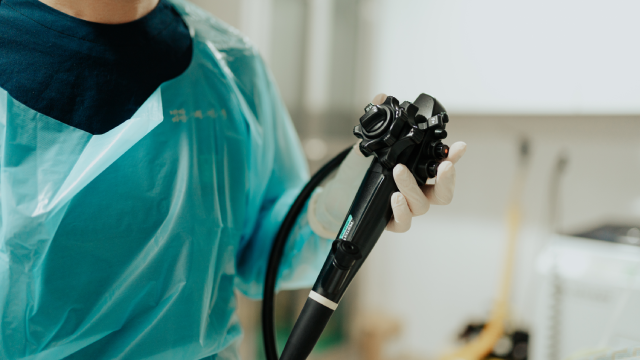
Endoscopy screening uses a thin, flexible camera-equipped instrument to directly examine the inside of the digestive tract, allowing physicians to identify abnormalities that may not be detectable through blood tests or imaging alone.
Schedule a ConsultationWhat Is Endoscopy Screening? Understanding Gastroscopy and Colonoscopy
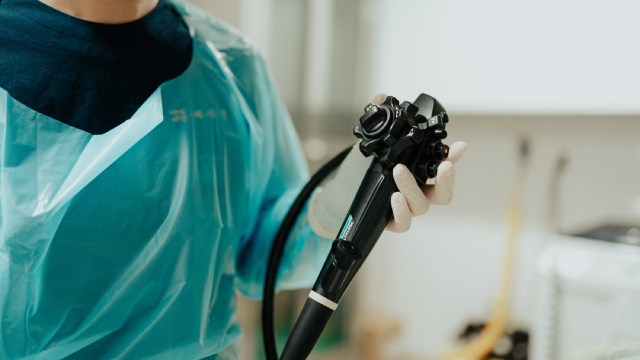
Endoscopy screening uses a thin, flexible camera-equipped instrument to directly examine the inside of the digestive tract, allowing physicians to identify abnormalities that may not be detectable through blood tests or imaging alone. Upper endoscopy, also called gastroscopy, examines the esophagus, stomach, and duodenum, while colonoscopy examines the colon. Both procedures serve dual purposes: diagnosing the cause of digestive symptoms and screening for early signs of stomach or colon cancer in patients without active symptoms.
At Narsha Hospital, endoscopy is available in both sedated (sleep) and non-sedated formats, allowing patients to choose the option that best matches their comfort preferences. Sleep endoscopy uses light sedation to help patients remain relaxed and unaware during the procedure, while non-sedated endoscopy allows for a quicker return to normal activity immediately afterward. Because early-stage digestive cancers and polyps often produce no symptoms, routine endoscopy screening plays an important role in catching these conditions while they are most treatable.
Who Needs Endoscopy Screening?
Endoscopy screening is recommended for a range of patients, whether for routine preventive screening or evaluation of digestive symptoms.
- Adults in their 40s and above due for routine stomach or colon cancer screening as recommended by national health screening guidelines
- Patients with a family history of stomach or colon cancer seeking earlier or more frequent screening
- Individuals experiencing digestive symptoms such as abdominal pain, bloating, or changes in bowel habits
- Patients with persistent heartburn or acid reflux who have not had an upper endoscopy evaluation
- Those with a personal history of polyps who require follow-up colonoscopy for monitoring
- Patients who prefer sedated (sleep) endoscopy for a more comfortable screening experience
- Individuals seeking to complete recommended cancer screening as part of a broader general health checkup
- Patients experiencing unexplained changes in weight, appetite, or energy alongside digestive concerns
Meet the Gastroenterology Specialist

Dr. Bae Kyeongim
Internal Medicine Physician
Endoscopy screening at Narsha Hospital is performed by a fellowship-trained gastroenterology specialist with extensive internal medicine experience across multiple hospital settings.
Dr. Bae Kyeongim earned her medical degree from Busan National University and completed a gastroenterology fellowship at Inje University Busan Paik Hospital. Her clinical experience spans internal medicine and gastroenterology roles at Busan Adventist Hospital, Busan Bohun Hospital, Hangplus Hospital, Motherth Hospital, and Hangsodam Surgical Clinic, giving her focused expertise in performing and interpreting endoscopic procedures for both diagnosis and screening purposes.
Dr. Bae's care philosophy centers on making endoscopy screening as comfortable and informative as possible, offering both sedated and non-sedated options and taking time to explain findings clearly to each patient.
Endoscopy Screening Areas and Expected Improvements
- Esophagus: Upper endoscopy allows direct visualization of the esophageal lining, helping identify inflammation, irritation, or other abnormalities that may contribute to reflux symptoms or swallowing difficulty.
- Stomach: Gastroscopy provides a clear view of the stomach lining, supporting detection of gastritis, ulcers, and early signs of stomach cancer, one of the more common cancers detected through routine screening in the region.
- Duodenum: As part of upper endoscopy, the duodenum is also examined, helping identify conditions such as duodenal ulcers or inflammation.
- Colon: Colonoscopy examines the entire colon, allowing for detection and, in many cases, same-procedure removal of polyps before they have the chance to develop into colon cancer, along with identification of other colon conditions.
Most patients can expect a clear, direct assessment of their digestive tract health following endoscopy screening, with any findings, such as polyps or inflammation, addressed according to standard clinical guidance. The value of screening lies in early detection, and no specific outcome can be guaranteed.
Endoscopy Screening Process and Timeline
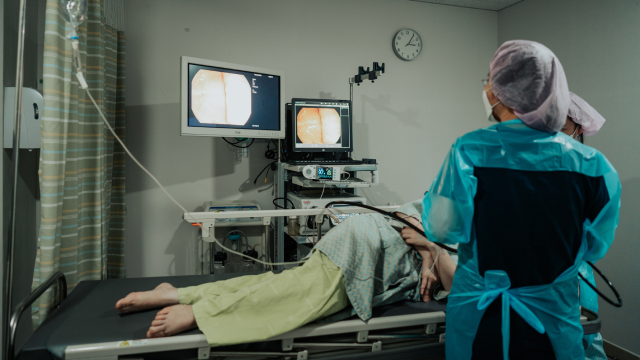
The endoscopy screening process at Narsha Hospital is designed to be thorough while accommodating patient comfort preferences.
- Initial Consultation: A gastroenterology specialist reviews the patient's screening history, symptoms if any, and relevant risk factors to determine the appropriate type of endoscopy.
- Pre-Procedure Preparation: Patients receive instructions for preparation, which may include dietary restrictions or a bowel-cleansing regimen prior to colonoscopy.
- Sedation Choice: Patients choose between sedated (sleep) or non-sedated endoscopy based on personal comfort preference.
- Endoscopic Examination: The endoscopy procedure is performed, allowing direct visualization of the esophagus, stomach, and duodenum (gastroscopy) or the colon (colonoscopy), with polyp removal performed during the same procedure if needed.
- Recovery: Patients who choose sedated endoscopy rest briefly under observation before discharge and should arrange transportation home, while non-sedated patients can typically resume activities immediately.
- Results Review and Follow-Up Planning: The gastroenterology specialist reviews findings with the patient and provides guidance on any follow-up screening intervals or further evaluation needed.
Mild bloating after colonoscopy or slight throat discomfort after upper endoscopy is common and generally resolves quickly.
Endoscopy Screening Results, Safety, and Ongoing Care Considerations
Endoscopy is a well-established, safe screening procedure when performed by an experienced gastroenterology specialist. Sedated (sleep) endoscopy is generally well-tolerated and helps minimize discomfort and anxiety during the procedure, while non-sedated endoscopy remains a safe and effective option for patients who prefer to avoid sedation and want a faster return to daily activities.
As with any medical procedure, potential risks exist, including mild bloating, throat discomfort, or minor bleeding if a polyp is removed, and serious complications, while rare, are possible. Any findings identified during screening, such as polyps or areas of inflammation, are addressed according to standard clinical guidance, with follow-up recommendations tailored to each patient's specific results.
Screening intervals and follow-up recommendations vary based on individual risk factors and findings, and no specific outcome can be guaranteed. Patients are encouraged to discuss their specific results and recommended screening schedule directly with Dr. Bae Kyeongim.
Why Choose Narsha Hospital for Endoscopy Screening?
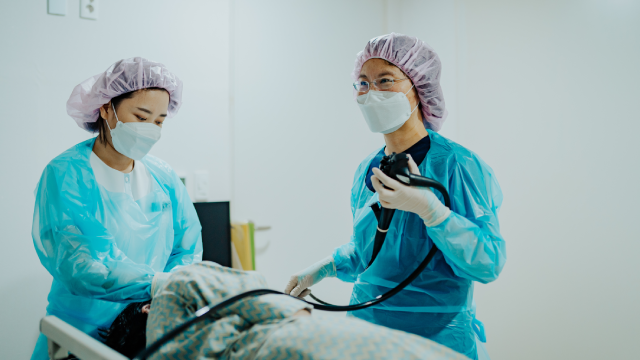
Narsha Hospital offers in-house sleep and non-sleep endoscopy for both upper GI and colon screening, allowing patients to receive comprehensive digestive screening without the delays associated with outsourced testing. As a hospital designated by the National Health Insurance Service, Narsha Hospital provides general health checkups and the five major cancer screenings, allowing endoscopy to be conveniently coordinated as part of covered preventive care.
Because Internal Medicine, Radiology, and Orthopedic Surgery all operate within the same hospital, patients benefit from fast, coordinated consultation should additional testing or specialist input be needed following screening.
Clinic Highlights:
- Fellowship-trained gastroenterology care led by Dr. Bae Kyeongim, with broad clinical experience across multiple hospital settings
- In-house sleep and non-sleep endoscopy for both diagnostic evaluation and screening
- National Health Insurance Service-designated hospital offering coordinated cancer screening
- Multi-department coordination allowing efficient follow-up testing when needed
Real Patient Examples
Endoscopy Screening Patient, Early 50s
A patient in their early 50s came in for routine stomach and colon cancer screening as recommended for their age group. The patient chose sleep endoscopy for both procedures and reported a comfortable experience with no memory of the procedure itself. A small polyp identified during colonoscopy was removed during the same visit, and the patient was scheduled for routine follow-up screening.
Endoscopy Screening Patient, Mid-40s
A patient in their mid-40s with a family history of stomach cancer opted for earlier upper endoscopy screening after discussing risk factors with the internal medicine specialist. The patient chose non-sedated endoscopy to allow for a quick return to work afterward, and results showed no significant abnormalities, providing reassurance and a clear screening baseline.
Take the Next Step Toward Protecting Your Digestive Health
Routine endoscopy screening is one of the most effective ways to detect digestive tract abnormalities and cancer risk early, when treatment options are most favorable.
[Schedule Your Endoscopy Screening] — Connect with Dr. Bae Kyeongim to discuss sleep or non-sleep endoscopy options, with coordinated follow-up testing available across Narsha Hospital's Internal Medicine, Radiology, and Orthopedic Surgery departments.
For questions or to speak with our appointment desk, call our patient coordination team, who can help schedule your consultation and answer initial questions about the evaluation process.
Other Services
Explore additional treatments offered by our specialists.

Digestive Disorders
Digestive disorders encompass a wide range of conditions affecting the esophagus, stomach, duodenum, and colon, often producing symptoms such as abdominal discomfort, bloating, changes in bowel habits, or difficulty digesting food.
Learn More

Non-surgical Sports Treatment
Non-surgical sports treatment refers to conservative care for shoulder and elbow injuries sustained during athletic competition, training, or recreational sports activity, without the need for an operation.
Learn More

Shoulder Fracture
A shoulder fracture refers to a break in one of the bones that make up the shoulder girdle — most commonly the proximal humerus, but also the clavicle or scapula — typically resulting from a fall, direct impact, or high-energy trauma.
Learn More