Busan Shoulder & Joint Surgery · Dedicated International Patient Care


Elbow Joint Diseases · Needs Clinic Confirmation
Cubital Tunnel Syndrome
Cubital tunnel syndrome occurs when the ulnar nerve becomes compressed as it passes through a narrow passage on the inner side of the elbow known as the cubital tunnel.
Schedule a ConsultationWhat Is Cubital Tunnel Syndrome? Understanding Ulnar Nerve Compression at the Elbow

Cubital tunnel syndrome occurs when the ulnar nerve becomes compressed as it passes through a narrow passage on the inner side of the elbow known as the cubital tunnel. Because the elbow is one of the body's most frequently used joints, involved constantly in bending, straightening, and rotating the forearm, repetitive elbow flexion or prolonged pressure on the inner elbow can gradually irritate this nerve over time.
Cubital tunnel syndrome treatment generally begins conservatively, particularly in earlier stages of nerve compression. Options include activity and positional modification, splinting to reduce prolonged elbow bending, medication, and manual and physical therapy. When symptoms are more significant, progressive, or do not respond to conservative measures, surgical ulnar nerve decompression or transposition may be recommended to relieve pressure on the nerve. Because numbness and tingling can also stem from other conditions, accurate evaluation is an important step before beginning treatment.
Who Needs Cubital Tunnel Syndrome Treatment?
Cubital tunnel syndrome is particularly common among individuals whose daily activities place repetitive stress or pressure on the inner elbow.
- Adults in their 30s–60s experiencing numbness or tingling in the ring and little fingers
- Workers, homemakers, and athletes whose hands and arms are used heavily throughout the day
- Individuals who frequently rest their elbows on hard surfaces or bend their elbows for extended periods, such as while sleeping or using a phone
- Patients noticing weakness or clumsiness when gripping objects or performing fine hand movements
- Those with symptoms that worsen at night or after prolonged elbow bending
- Individuals who have tried adjusting elbow position or using a night splint without full symptom relief
- Patients with a prior elbow injury or fracture who develop new numbness or tingling
- Those seeking a non-surgical treatment path before considering nerve decompression surgery
Meet the Elbow Specialists
 |
 |
 |
|---|---|---|
| Dr. Lee ChangsooOrthopedic Surgeon | Dr. Lee DongkiOrthopedic Surgeon | Dr. Rhim Chunsub Anesthesiologist |
Cubital tunnel syndrome treatment at Narsha Hospital is provided by a team of fellowship-trained shoulder and elbow surgeons, supported by dedicated anesthesiology and imaging staff for cases requiring nerve decompression surgery.
Dr. Lee Changsoo is a Professor of Shoulder Surgery at Inje University Paik Hospital who has also served as a Visiting Professor at Balgrist Hospital, University of Zurich, and the McKay Orthopaedic Research Laboratory at the University of Pennsylvania. He previously led the Joint Centers at Seoul Bumin Hospital and Haeundae Bumin Hospital, and is a member of both the Korean Orthopaedic Association and the Korean Shoulder and Elbow Society.
Dr. Lee Dongki is a Clinical Professor of Shoulder Surgery at Kyunghee University and a fellowship graduate of the Seoul Shoulder and Elbow Center, a program affiliated with Seoul National University, Samsung Hospital, and St. Mary's Hospital. His overseas training includes the Kerlan-Jobe Clinic, Keck Hospital at the University of Southern California, and Langone Hospital at New York University. His published research in the Journal of Shoulder & Elbow Surgery (JSES) reflects the diagnostic precision applied across all joint and nerve-related conditions treated at the hospital, including cubital tunnel syndrome.
Dr. Rhim Chunsub, an anesthesiologist trained at Busan National University, supports patients undergoing ulnar nerve decompression or transposition surgery, ensuring safe and comfortable anesthesia care throughout the procedure.
This team shares a care philosophy centered on accurate nerve compression assessment, favoring conservative management in earlier stages, and reserving surgery for cases where nerve function is genuinely at risk.
Cubital Tunnel Syndrome Treatment Areas and Expected Improvements
- Ulnar nerve at the cubital tunnel: The primary site of compression in cubital tunnel syndrome, located at the inner elbow. Treatment aimed at this area, whether conservative or surgical, focuses on relieving pressure to reduce numbness, tingling, and progressive nerve irritation.
- Ring and little finger sensation: These fingers are supplied by the ulnar nerve and are commonly affected by numbness or tingling. As nerve compression is addressed, many patients notice gradual improvement in sensation, though nerve recovery can take time.
- Hand grip strength and fine motor function: Prolonged ulnar nerve compression can affect grip strength and coordination in the hand. Physical therapy and, when needed, surgical decompression aim to support the nerve's recovery and reduce further weakness.
- Elbow positioning and daily movement patterns: Since repetitive elbow bending contributes to symptoms, therapy often includes guidance on positional adjustments during work, sleep, and daily activities to reduce ongoing nerve irritation.
Most patients can expect a reduction in numbness, tingling, and discomfort as nerve compression is addressed, though the degree and pace of nerve recovery vary based on how long compression has been present and its severity. No specific outcome or recovery timeline can be guaranteed, and nerve-related symptoms can take longer to resolve than musculoskeletal pain alone.
Cubital Tunnel Syndrome Treatment Process and Timeline
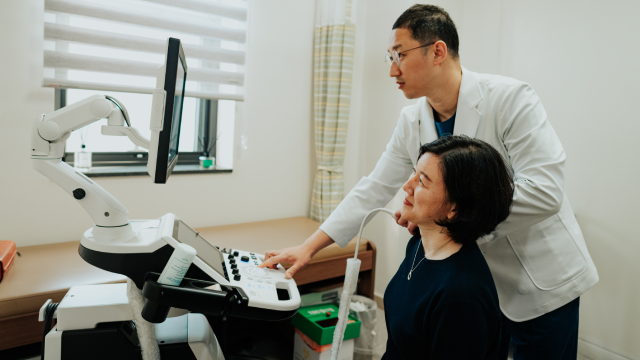
Treatment at Narsha Hospital follows a structured process designed to confirm the diagnosis and select the most appropriate, least invasive effective option.
- Initial Consultation and Evaluation: An elbow specialist evaluates symptoms and nerve function, supported by in-house X-ray, MRI, or ultrasound to assess the ulnar nerve and rule out other causes of numbness or tingling.
- Treatment Planning: Based on symptom severity and duration, the care team determines whether conservative management or surgical decompression is the appropriate path.
- Non-Surgical Treatment: This typically includes splinting to limit prolonged elbow bending, activity modification guidance, and physical therapy focused on nerve gliding and positional habits.
- Reassessment: Follow-up evaluation tracks changes in sensation, strength, and symptom frequency, with adjustments made to the treatment plan as needed.
- Surgical Decompression or Transposition (if needed): For cases with significant or progressive nerve compression, ulnar nerve decompression or transposition surgery is performed in an ISO Class 5 (Class 100) cleanroom operating room.
- Post-Treatment Rehabilitation: Following surgery, a structured rehabilitation program supports gradual return of elbow motion and nerve function, guided by physical therapists holding internationally recognized manual therapy certifications.
Mild swelling, soreness, or temporary discomfort at the treatment or surgical site is common in the initial period and generally resolves with standard aftercare guidance.
Cubital Tunnel Syndrome Results, Safety, and Recovery Considerations
Many patients notice improvement in numbness and tingling within several weeks of beginning conservative treatment, particularly when compression is caught in earlier stages, though nerve-related symptoms can take longer to fully resolve compared to other elbow conditions. Patients who require surgical decompression or transposition typically follow a structured rehabilitation period afterward, with nerve recovery sometimes continuing gradually over several months.
Non-surgical cubital tunnel treatments generally carry a favorable safety profile, with potential side effects including temporary soreness or skin irritation from splinting. For patients requiring surgical decompression, Narsha Hospital's ISO Class 5 cleanroom operating standards help minimize infection risk, though as with any procedure, complications are possible even if uncommon.
Results and the extent of nerve recovery vary by individual, and no specific outcome or timeline can be guaranteed. Patients are encouraged to discuss realistic expectations for their specific presentation directly with their treating specialist.
Why Choose Narsha Hospital for Cubital Tunnel Syndrome Treatment?

Narsha Hospital is one of the few hospitals in the region built exclusively around shoulder and elbow joint care, performing more than 1,200 shoulder and elbow surgeries annually across roughly 45,000 patient visits a year. This concentrated clinical focus supports precise identification and treatment of nerve-related elbow conditions like cubital tunnel syndrome, distinguishing them clearly from other sources of elbow or hand symptoms.
Diagnosis is supported by in-house X-ray, MRI, and ultrasound imaging, allowing for prompt evaluation of ulnar nerve compression without the delays of outsourced testing. For the smaller number of patients who require surgical decompression or transposition, procedures take place in operating rooms built to ISO Class 5 (Class 100) cleanroom standards with dedicated HEPA-filtered air handling. The hospital's overall treatment philosophy favors conservative, positional, and therapy-based management first, reserving surgery for cases where nerve compression is significant or progressive.
Clinic Highlights:
- Shoulder and elbow-focused specialist team led by Dr. Lee Changsoo and Dr. Lee Dongki, both fellowship-trained with international clinical experience
- In-house MRI, X-ray, and ultrasound imaging for precise nerve compression evaluation
- Conservative, positional therapy approaches prioritized before considering surgical intervention
- Rehabilitation led by internationally certified physical therapists, supported by comprehensive nursing and caregiving services
The hospital's Narsha Shoulder & Joint Research Center continues to inform treatment protocols across all shoulder and elbow conditions, supported by the broader research contributions of its specialist team, including Dr. Lee Dongki's published work in JSES.
Real Patient Examples
Cubital Tunnel Syndrome Patient, Early 40s
A patient in their early 40s, who worked long hours at a desk with elbows frequently resting on a hard surface, began experiencing numbness and tingling in the ring and little fingers. Following evaluation, the patient started using a night splint combined with positional adjustments and physical therapy. Over several weeks, the patient reported a noticeable reduction in nighttime numbness.
Cubital Tunnel Syndrome Patient, Mid-50s
A patient in their mid-50s experienced progressive hand weakness and persistent numbness that did not improve with several months of conservative treatment. After further evaluation confirmed significant ulnar nerve compression, the patient underwent ulnar nerve decompression surgery followed by structured rehabilitation. The patient noted gradual improvement in hand sensation and grip strength during the recovery process.
Take the Next Step Toward Nerve Symptom Relief
Numbness, tingling, or weakness in the hand doesn't have to be something you simply adjust to — an accurate diagnosis can help identify the most effective treatment path for your specific nerve compression.
[Schedule Your Cubital Tunnel Syndrome Evaluation] — Connect with Narsha Hospital's elbow specialist team for an in-house evaluation and a personalized discussion of your treatment options, from conservative therapy to nerve decompression surgery when needed, guided by fellowship-trained surgeons with international clinical experience in shoulder and elbow medicine.
For questions or to speak with our appointment desk, call our patient coordination team, who can help schedule your consultation and answer initial questions about the evaluation process.
Other Services
Explore additional treatments offered by our specialists.

Digestive Disorders
Digestive disorders encompass a wide range of conditions affecting the esophagus, stomach, duodenum, and colon, often producing symptoms such as abdominal discomfort, bloating, changes in bowel habits, or difficulty digesting food.
Learn More
Non-surgical Sports Treatment
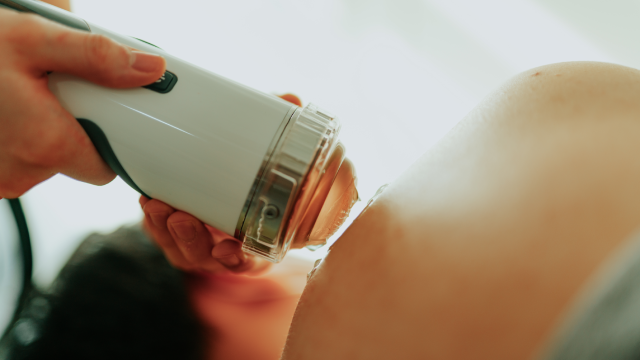
Non-surgical sports treatment refers to conservative care for shoulder and elbow injuries sustained during athletic competition, training, or recreational sports activity, without the need for an operation.
Learn More

Shoulder Fracture
A shoulder fracture refers to a break in one of the bones that make up the shoulder girdle — most commonly the proximal humerus, but also the clavicle or scapula — typically resulting from a fall, direct impact, or high-energy trauma.
Learn More