Busan Shoulder & Joint Surgery · Dedicated International Patient Care


Specialty Overview
Sports Injuries
Sports Injuries refer to damage sustained to the body during sports games, training, or other athletic activities, with the shoulder and elbow frequently affected in sports such as baseball, tennis, volleyball, and swimming.
Schedule a ConsultationWhat Does Sports Injuries Mean in Orthopedics and Rehabilitation?

Sports Injuries refer to damage sustained to the body during sports games, training, or other athletic activities. The shoulder and elbow are frequently affected joints in sports such as baseball, tennis, volleyball, and swimming, since these activities place repeated stress on the same muscle groups and joint structures. As leisure and sports participation increases, both professional athletes and non-athletes face a growing risk of injury linked to repetitive motion and joint overuse.
Young and professional athletes are especially prone to shoulder and elbow joint diseases because of how frequently these joints are used at high intensity during training and competition. Common Sports Injuries among young athletes include glenohumeral internal rotation deficit (GIRD), Little League Shoulder, and Little League Elbow — conditions closely tied to the repetitive overhead and throwing motions common in youth sports. Among professional athletes, common Sports Injuries include GIRD, Rotator Cuff Tear, SLAP (Superior Labrum Anterior to Posterior) Lesion, and Ulnar Collateral Ligament Tear, which often develop from years of sustained joint use at a competitive level.
At Narsha Hospital, orthopedic doctors diagnose these conditions and suggest optimal treatment tailored to the athlete's age, activity level, and career stage. For non-surgical care, treatment options include ESWT, manual therapy, exercise therapy, and injection therapy — approaches aimed at reducing pain and inflammation while supporting the joint's natural recovery. When non-surgical treatment is not successful, orthopedic doctors carefully determine whether surgical treatment is necessary, weighing multiple factors including the type of condition, the athlete's overall physical status, and — for professional athletes in particular — how the procedure and its recovery timeline may influence their athletic career.
Advanced Sports Injuries Treatment in Orthopedics and Rehabilitation for Expert, Patient-Focused Care
For athletes, shoulder and elbow pain carries a unique weight — it is not only about daily comfort but about the ability to keep training, competing, and performing at a high level. Young athletes may worry about growth-related joint stress affecting their long-term physical development, while professional athletes often face added pressure around how an injury, and the treatment it requires, could affect their competitive schedule and career trajectory. This can make the decision of when to seek care, and which treatment path to follow, feel more complicated than it would for a non-athlete.
Patients do not have to navigate these concerns alone. At Narsha Hospital, orthopedic specialists focus on accurately identifying the specific Sports Injury first, using a structured diagnostic process, before discussing treatment options that account for both the underlying medical condition and the athlete's competitive goals. Whether the patient is a young athlete just beginning organized sports or a professional managing a demanding season, the priority throughout is patient comfort, safety, and a treatment plan appropriate to the specific injury and the individual's activity level and recovery timeline.
Specialty Services & Treatments for Sports Injuries in Orthopedics and Rehabilitation
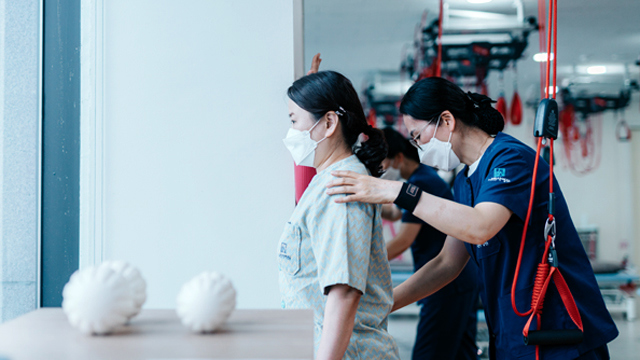
Narsha Hospital's Orthopedics and Rehabilitation team diagnoses and treats Sports Injuries affecting the shoulder and elbow, including GIRD, Little League Shoulder, Little League Elbow, Rotator Cuff Tear, SLAP Lesion, and Ulnar Collateral Ligament Tear, through the following services:
- Young Athlete Care — diagnosis and treatment planning tailored specifically to young athletes affected by repetitive motion and joint overuse, with attention to the demands of continued growth and development
- Pro Athlete Care — diagnosis and treatment planning tailored to professional athletes, with treatment decisions weighed carefully against training schedules and career considerations
- Non-surgical Sports Treatment — ESWT, manual therapy, exercise therapy, and injection therapy, used individually or in combination depending on the athlete's specific condition
- Surgical Sports Treatment — performed by orthopedic specialists when non-surgical treatment has not been successful, with the decision to proceed carefully determined based on condition type, patient status, and career impact
Narsha Hospital is a strong choice for Sports Injuries care because treatment decisions are made specifically with the athlete's activity level, age, and competitive goals in mind, rather than following a one-size-fits-all approach to shoulder and elbow care. This distinction matters, since the same underlying condition — such as a Rotator Cuff Tear — can call for a different treatment and recovery approach in a young athlete compared to a professional competitor.
Why Choose Narsha Hospital for Sports Injuries & Key Procedures in Orthopedics and Rehabilitation
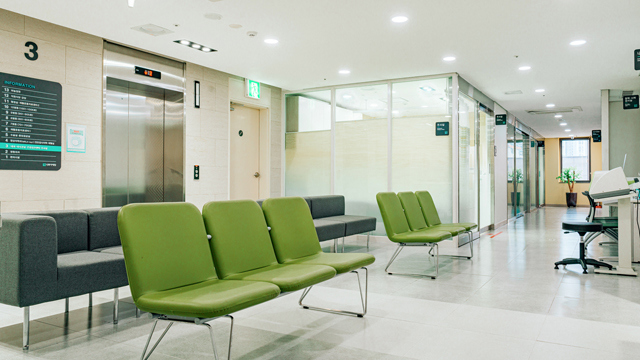
- Specialized, High-Volume Experience — Narsha Hospital's orthopedic team performs approximately 1,200+ shoulder and elbow surgeries per year, reflecting deep, ongoing experience with the joint conditions most relevant to athletes across age groups
- Age- and Career-Specific Care Paths — treatment is tailored separately for Young Athlete Care and Pro Athlete Care, recognizing that growth-related factors and career considerations affect treatment decisions in different ways
- Multi-Department Diagnostic Collaboration — orthopedic surgeons and radiologists work together to confirm a diagnosis, with anesthesiology and pain medicine and internal medicine involved whenever surgical treatment is required, helping ensure the athlete's surgical stability
- Germ-Free Operating Suite — all operating rooms satisfy ISO 5, Class 100 international air quality standards, the same standard required for heart surgery, supported by a dedicated Sterilization Center using Sakura Seiki sterilizers and washers
- Structured Rehabilitation Program — approximately 21 certified physical therapists deliver individualized manual physical therapy across early (0–4 weeks), mid (4–12 weeks), and late (after 12 weeks) recovery stages, supported by 14 Red Cord Slings and Storz ESWT equipment, with late-stage rehabilitation specifically focused on motor coordination and a return to sports activities
- Comprehensive Nursing Care Service — available since 2019, providing 24-hour professional nursing care so patients do not need a family member or caregiver present during their hospital stay
- Dedicated Patient Nutrition — meals are prepared by a dietitian with high-protein content appropriate for recovery after surgery, supporting the physical demands of returning to sport, with individualized counseling available for special dietary needs
Since its founding in 2018, Narsha Hospital has built its practice specifically around shoulder and elbow conditions, serving approximately 45,000 patient visits per year through this focused, multi-department approach to care — an approach that extends naturally to the specific demands of treating athletes.
Meet the Specialists in Sports Injuries
 |
 |
 |
|---|---|---|
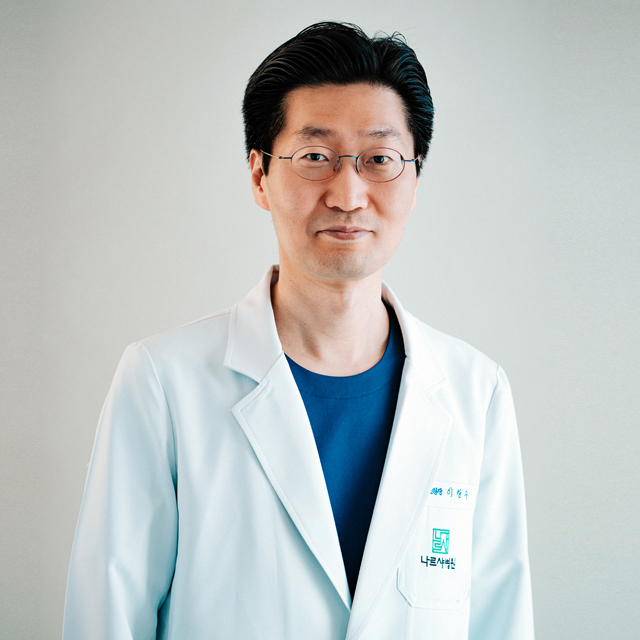
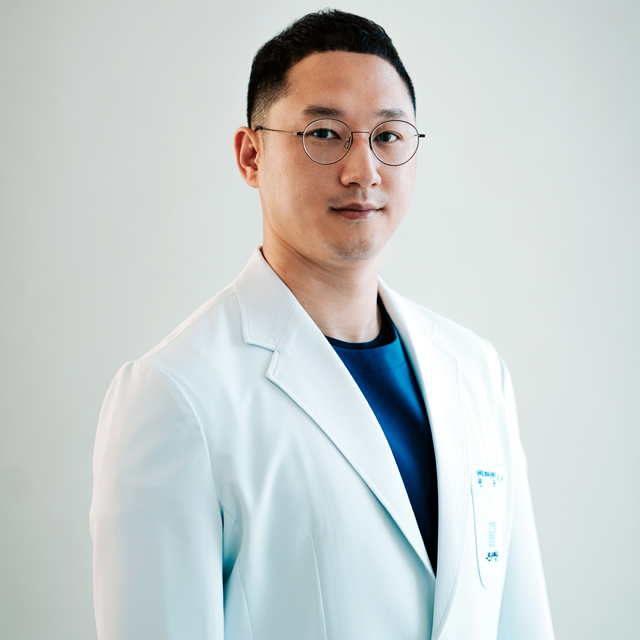
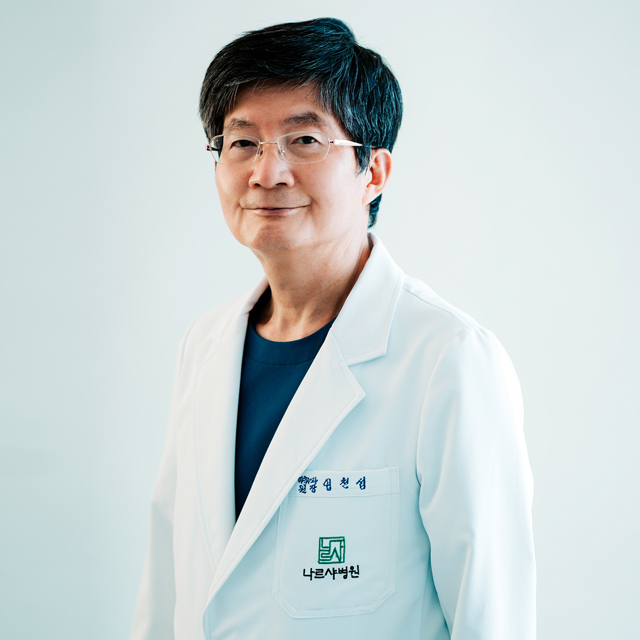
| Dr. Lee Changsoo, M.D.Orthopedic Surgeon | Dr. Lee Dongki, M.D.Orthopedic Surgeon | Dr. Rhim Chunsub, M.D.Anesthesiologist |
Dr. Lee Changsoo— Orthopedic Surgery
Dr. Lee Changsoo earned his medical degree from the College of Medicine at Inje University and completed his residency in Orthopedic Surgery at Inje University Paik Hospital, later serving as a professor focused on shoulder care. He furthered his training as a visiting professor at Balgrist Hospital, University of Zurich in Switzerland, and at the McKay Orthopaedic Research Laboratory, University of Pennsylvania in the United States. His career also includes serving as head of the joint center at both Seoul Bumin Hospital and Haeundae Bumin Hospital. He is a member of The Korean Orthopaedic Association and the Korean Shoulder and Elbow Society.
Dr. Lee Dongki— Orthopedic Surgery
Dr. Lee Dongki earned his medical degree from the College of Medicine at Kyunghee University and completed his residency in Orthopedic Surgery at the same institution. He completed a fellowship at the Seoul Shoulder and Elbow Center, a program spanning Seoul National University, Samsung Hospital, and St. Mary's Hospital, and later served as a clinical professor focused on shoulder care at Kyunghee University. His training also includes overseas experience at the Kerlan-Jobe Clinic, Keck Hospital of the University of Southern California, and Langone Hospital at New York University — institutions with strong ties to sports medicine. He is a member of The Korean Orthopaedic Association and the Korean Shoulder and Elbow Society.
Dr. Rhim Chunsub— Anesthesiology and Pain Medicine
Dr. Rhim Chunsub earned his medical degree from the College of Medicine at Busan National University and completed his residency in Anesthesiology at the same institution, with clinical experience at Ulsan Bakchun Hospital, Ulsan Gilmary Hospital, and Ulsan Taewha Hospital. His role supports safe, comfortable surgical procedures for athletes undergoing Surgical Sports Treatment at Narsha Hospital, working alongside the orthopedic team whenever a procedure is required.
Together, this team applies a shared, patient-centered approach — accurately diagnosing the specific Sports Injury first, then coordinating surgical and non-surgical care around each athlete's condition, activity level, and recovery goals, whether the patient is a young athlete or a professional competitor.
Real Patient Journeys for Sports Injuries
Case Example 1: Young Athlete with Little League Shoulder
A young athlete presented with shoulder pain that worsened during throwing activities, raising concern about continued participation in sports and about long-term joint health during a period of ongoing growth. Diagnostic evaluation, including X-ray and physical examination, confirmed Little League Shoulder. The athlete began Non-surgical Sports Treatment under Young Athlete Care, including exercise therapy and manual physical therapy, alongside a personalized rehabilitation plan progressing through early, mid, and late-stage exercises, designed to support a gradual, appropriately paced return to throwing activity.
Case Example 2: Professional Athlete with SLAP Lesion
A professional athlete reported deep shoulder pain and reduced throwing performance during a competitive season. Following diagnostic imaging, including MRI, a SLAP Lesion was confirmed. After non-surgical measures did not fully resolve the symptoms, Surgical Sports Treatment was performed under Pro Athlete Care, with the decision weighed carefully against the athlete's overall condition and competitive schedule. The athlete then progressed through a staged rehabilitation program — from early-stage joint relaxation exercises, through mid-stage active range-of-motion and isometric strength training, to late-stage functional training focused on motor coordination and a return to sport.
These examples are illustrative of the general treatment approach at Narsha Hospital and do not represent guaranteed outcomes, as recovery varies by individual condition and circumstances.
International Patients & Global Support for Sports Injuries Care
Narsha Hospital welcomes young and professional athletes from across South Korea and around the world for Sports Injuries treatment, supported by a structured, multi-department care process designed to guide each patient from initial diagnosis through full recovery.
Support for patients traveling for care includes:
- Coordinated diagnostic scheduling across orthopedic surgery, radiology, anesthesiology, and internal medicine within a single visit process, reducing the need for multiple separate appointments
- Comprehensive Nursing Care Service, providing 24-hour professional nursing so patients do not need to arrange a caregiver during their hospital stay
- Individualized dietary counseling, including high-protein patient meals prepared by an in-house dietitian to support recovery
- A structured, staged rehabilitation program (early, mid, and late recovery) guided by certified physical therapists, with late-stage focus specifically on returning to sport
From first evaluation through post-treatment rehabilitation, Narsha Hospital's coordinated care model is designed to support athletes through each stage of their Sports Injury treatment journey, whether they are a young athlete beginning competitive sports or a professional managing an ongoing career.
What to Expect from Sports Injuries Treatment at Narsha Hospital
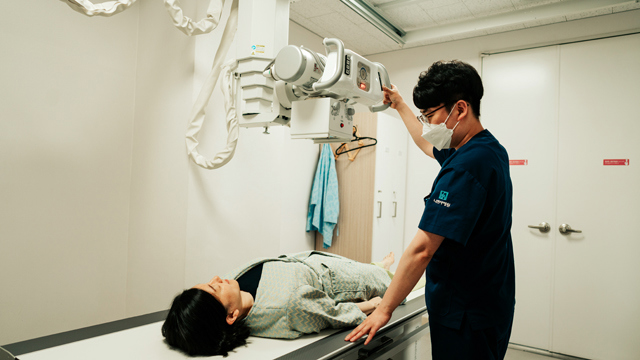
Step 1: Initial Consultation and Diagnostic Evaluation
Athletes begin with an X-ray and physical examination of the affected shoulder or elbow, allowing orthopedic specialists to identify the suspected condition. If more detailed information is needed, an MRI or ultrasound scan is performed — MRI for detailed internal imaging of soft tissue and joint structures, or ultrasound for a faster, lower-cost option that also assists with precise injection therapy guidance.
Step 2: Personalized Treatment Planning
Orthopedic doctors determine the optimal treatment path based on the athlete's age and status — Young Athlete Care or Pro Athlete Care — weighing the type of condition, the athlete's overall physical status, and, for professional athletes, the potential impact of treatment on their competitive career. This step often involves collaborative review between orthopedic surgery and radiology, and, when surgery is being considered, coordination with anesthesiology and pain medicine and internal medicine.
Step 3: Treatment and Ongoing Rehabilitation
Non-surgical Sports Treatment may include ESWT, manual therapy, exercise therapy, or injection therapy, tailored to the specific diagnosis. If Surgical Sports Treatment is required, it takes place within Narsha Hospital's germ-free operating suite, which meets ISO 5, Class 100 international air quality standards. Recovery is then supported by a staged rehabilitation program — early (0–4 weeks) focused on pain reduction and joint relaxation, mid (4–12 weeks) focused on restoring active range of motion and isometric strength, and late (after 12 weeks) focused on motor coordination and a gradual, functional return to sports activities. Full recovery of range of motion typically takes three to six months, depending on the individual condition.
Take the Next Step for Your Sports Injury Treatment
Shoulder or elbow pain shouldn't have to sideline your training or competition schedule — the right treatment path starts with an accurate diagnosis and a plan built around your specific sport, age, and recovery goals. Narsha Hospital's Orthopedics and Rehabilitation team is available to evaluate your condition, explain your treatment options clearly, and guide you through a personalized care and recovery plan designed to support your return to activity.
To speak directly with Narsha Hospital's care team about Sports Injuries treatment, contact the appointment desk to arrange your initial evaluation.
Related Services
Procedures available within our clinical departments.

Digestive Disorders
Digestive disorders encompass a wide range of conditions affecting the esophagus, stomach, duodenum, and colon, often producing symptoms such as abdominal discomfort, bloating, changes in bowel habits, or difficulty digesting food.
Learn More
Non-surgical Sports Treatment
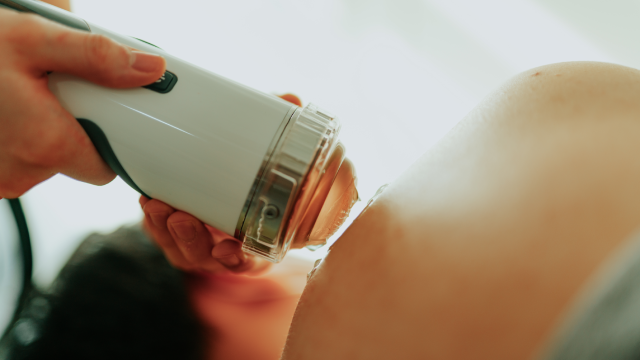
Non-surgical sports treatment refers to conservative care for shoulder and elbow injuries sustained during athletic competition, training, or recreational sports activity, without the need for an operation.
Learn More
Shoulder Fracture
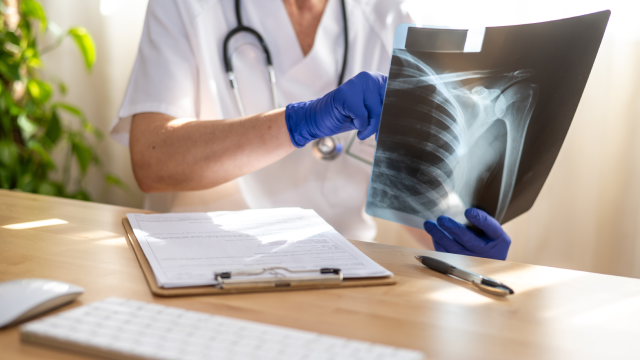
A shoulder fracture refers to a break in one of the bones that make up the shoulder girdle — most commonly the proximal humerus, but also the clavicle or scapula — typically resulting from a fall, direct impact, or high-energy trauma.
Learn More