Busan Shoulder & Joint Surgery · Dedicated International Patient Care


Specialty Overview
Shoulder Joint Diseases
Shoulder Joint Diseases refer to a group of conditions that affect the shoulder — the most mobile joint in the human body.
Schedule a ConsultationWhat Does Shoulder Joint Diseases Mean in Orthopedics and Rehabilitation?

Shoulder Joint Diseases refer to a group of conditions that affect the shoulder — the most mobile joint in the human body. Because the shoulder allows such a wide range of motion, including stretching, lifting, and rotating the arm, it also carries lower structural stability compared to other joints, making it more susceptible to injury and degenerative conditions.
At Narsha Hospital, Shoulder Joint Diseases are addressed through the Narsha Diagnostic System, a structured, multi-step diagnostic process. This begins with X-rays and a physical examination of the affected area, followed by MRI or ultrasound scans when more detailed internal imaging is required. MRI provides in-depth images useful for identifying the precise nature of soft tissue and joint damage, while ultrasound offers a faster, lower-cost option that is especially useful for guiding injection therapy with accurate needle placement.
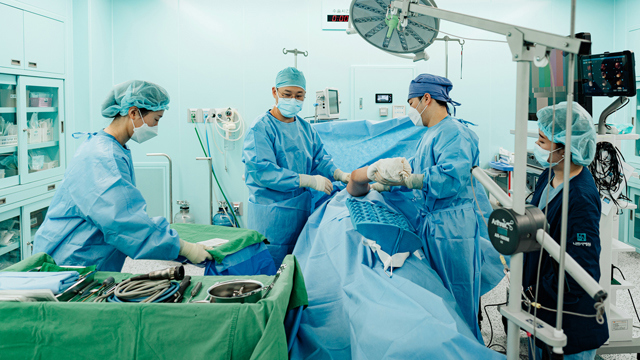
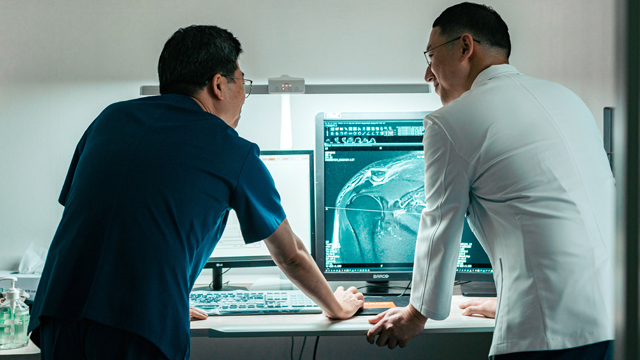
Once imaging is complete, orthopedic surgeons and radiologists at Narsha Hospital collaboratively review the X-rays and MRI scans to determine whether a Shoulder Joint Disease requires surgical treatment. When surgery is indicated, the departments of Anesthesiology and Pain Medicine and Internal Medicine work together with the orthopedic team to help ensure the patient's surgical stability. Following this collaborative review, orthopedic specialists present the recommended surgical or non-surgical treatment options directly to the patient for discussion before any decision is made.
This approach allows Narsha Hospital to differentiate between the many Shoulder Joint Diseases that can present with overlapping symptoms, ensuring that treatment — whether conservative or surgical — is based on a confirmed diagnosis rather than an assumption.
Advanced Shoulder Joint Diseases Treatment in Orthopedics and Rehabilitation for Expert, Patient-Focused Care
Shoulder pain can be a confusing and frustrating experience. Conditions such as Rotator Cuff Tear, Frozen Shoulder, and Impingement Syndrome often share similar symptoms — pain, stiffness, and limited range of motion — which makes it genuinely difficult for patients to know what is actually causing their discomfort without a proper clinical evaluation. This uncertainty is common across a wide age range, as both older adults dealing with degenerative changes and younger, active individuals affected by sports or overuse injuries seek answers.
Patients do not have to manage this uncertainty alone. At Narsha Hospital, orthopedic specialists are focused on first identifying the exact cause of shoulder pain before recommending any treatment path, so that care decisions are made with clarity rather than guesswork. The goal throughout is patient comfort, safety, and a treatment plan appropriate to the specific condition and the individual's circumstances.
Specialty Services & Treatments for Shoulder Joint Diseases in Orthopedics and Rehabilitation
Narsha Hospital's Orthopedics and Rehabilitation team diagnoses and treats the following Shoulder Joint Diseases:
- Rotator Cuff Tear
- Frozen Shoulder
- Calcific Tendinitis
- Shoulder Impingement Syndrome
- Shoulder Instability
- Shoulder Arthritis
Rotator Cuff Tear
A tear in one or more of the four muscles and tendons that stabilize the shoulder and enable arm lifting and rotation. At Narsha Hospital, diagnosis begins with X-rays and an MRI scan to determine the tear's size and severity. Non-surgical treatment — such as medication, injection therapy, and manual physical therapy — is considered for partial tears, while surgical repair is evaluated for full-thickness tears or cases where conservative care has not provided relief.
Frozen Shoulder (Adhesive Capsulitis)
A condition where the connective tissue capsule surrounding the shoulder joint becomes inflamed, thickened, and tight, leading to severe stiffness and pain. Diagnostic evaluation at Narsha Hospital uses X-rays and ultrasound or MRI to rule out other conditions. Treatment focuses on restoring range of motion through non-surgical approaches, including injection therapy to reduce inflammation and tailored rehabilitation exercises.
Calcific Tendinitis
A condition characterized by the formation of calcium deposits within the rotator cuff tendons, which can cause acute, severe shoulder pain. Narsha Hospital identifies calcific deposits using X-rays and ultrasound imaging. Treatment is predominantly non-surgical, utilizing extracorporeal shock wave therapy (ESWT) to help break down deposits and injection therapy under ultrasound guidance for pain relief.
Shoulder Impingement Syndrome
A condition where the rotator cuff tendons become compressed and irritated against the acromion bone during arm elevation. At Narsha Hospital, diagnosis involves physical examination and X-rays to assess bony architecture, with MRI used when tendon damage is suspected. Conservative care — including anti-inflammatory medications, physical therapy, and activity modification — is the primary approach, with surgery considered only when conservative measures do not resolve symptoms.
Shoulder Instability
A condition where the head of the upper arm bone is repeatedly forced out of its shoulder socket, often following a traumatic dislocation or repetitive strain from athletic activity. Narsha Hospital evaluates instability with X-rays and MRI or MR arthrography to check for labral tears or bone loss. Treatment is individualized: structured rehabilitation targeting shoulder-stabilizing muscles is recommended first, with arthroscopic stabilization surgery considered for recurrent instability or high-demand patients.
Shoulder Arthritis
Degeneration of the cartilage within the shoulder joint, resulting in persistent pain, grinding sensations, and progressive loss of mobility. Narsha Hospital evaluates shoulder arthritis through X-rays to determine joint space narrowing and bone spur formation. Non-surgical management includes joint injection therapy, physical therapy, and lifestyle adjustments; for advanced arthritis significantly affecting quality of life, joint replacement surgery may be discussed.
Diagnostic Technologies for Shoulder Joint Diseases Care

Narsha Hospital utilizes a targeted set of diagnostic tools to accurately assess Shoulder Joint Diseases:
- X-ray: Used as the initial diagnostic step to assess bone structure, joint alignment, and identify conditions such as calcific deposits or arthritic changes.
- MRI: Provides detailed, high-resolution cross-sectional images of soft tissue structures, essential for identifying rotator cuff tears, labral injuries, and inflammation within the joint capsule.
- Ultrasound: An in-depth, real-time imaging tool that allows dynamic evaluation of tendon movement and provides visual guidance for accurate needle placement during injection therapies.
- Physical Examination: Comprehensive clinical tests conducted by orthopedic specialists to assess active and passive range of motion, muscle strength, and specific impingement or instability signs.
Shoulder Joint Diseases Patient Stories
Case Example 1: Rotator Cuff Tear
A patient presented with persistent shoulder pain and difficulty lifting the arm overhead, which had gradually limited daily activities. Following X-ray and physical examination, the orthopedic team confirmed a rotator cuff tear and discussed both non-surgical and surgical options with the patient. After surgical treatment, the patient began a staged rehabilitation program, progressing from early-stage joint relaxation exercises through active range-of-motion training, with functional strength returning over the following months.
Case Example 2: Frozen Shoulder
A patient experiencing stiffness and reduced range of motion in the shoulder, without a clear precipitating injury, was evaluated using X-ray and physical examination consistent with frozen shoulder. Treatment began with non-surgical options, including injection therapy and manual physical therapy, alongside a personalized rehabilitation plan guided by a certified physical therapist to gradually restore joint mobility.
These examples are illustrative of the general treatment approach at Narsha Hospital and do not represent guaranteed outcomes, as recovery varies by individual condition and circumstances.
International Patients & Global Support for Shoulder Joint Diseases Care
Narsha Hospital welcomes patients from across South Korea and around the world for Shoulder Joint Diseases treatment, supported by a structured, multi-department care process designed to guide each patient from initial diagnosis through recovery.
Support for patients traveling for care includes:
- Coordinated diagnostic scheduling across orthopedic surgery, radiology, anesthesiology, and internal medicine within a single visit process
- Comprehensive Nursing Care Service, providing 24-hour professional nursing so patients do not need to arrange a caregiver during their hospital stay
- Individualized dietary counseling, including high-protein patient meals prepared by an in-house dietitian
- A structured, staged rehabilitation program (early, mid, and late recovery) guided by certified physical therapists following surgery
From first evaluation through post-treatment rehabilitation, Narsha Hospital's coordinated care model is designed to support patients through each stage of their Shoulder Joint Disease treatment journey.
What to Expect from Shoulder Joint Diseases Treatment at Narsha Hospital
Step 1: Initial Consultation and Diagnostic Evaluation
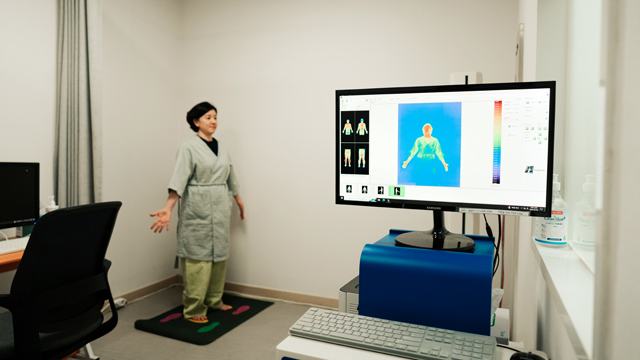
Patients begin with an X-ray and physical examination of the shoulder. If more detailed information is needed, an MRI or ultrasound scan is performed — MRI for detailed internal imaging, or ultrasound for a faster, lower-cost option that also assists with precise injection guidance.
Step 2: Collaborative Diagnosis and Personalized Treatment Planning
Orthopedic surgeons and radiologists review the imaging together to determine whether the condition requires surgical treatment. If surgery is needed, anesthesiology and pain medicine and internal medicine collaborate on the patient's surgical stability. Orthopedic specialists then present the recommended non-surgical or surgical treatment options and discuss them directly with the patient.
Step 3: Treatment and Ongoing Rehabilitation
Non-surgical treatment may include medication, injection therapy, ESWT, or manual physical therapy. If surgery is performed, it takes place within Narsha Hospital's germ-free operating suite. Recovery is supported by a staged rehabilitation program — early (0–4 weeks), mid (4–12 weeks), and late (after 12 weeks) — delivered by certified physical therapists using equipment such as Red Cord Slings, with the full return of range of motion typically taking three to six months.
Take the Next Step for Your Shoulder Joint Disease Treatment
Living with ongoing shoulder pain or limited movement can affect daily activities, work, and sleep — and the right treatment path starts with an accurate diagnosis. Narsha Hospital's Orthopedics and Rehabilitation team is available to evaluate your condition, explain your treatment options clearly, and guide you through a personalized care and recovery plan.
To speak directly with Narsha Hospital's care team about Shoulder Joint Diseases treatment, contact the appointment desk to arrange your initial evaluation.
Related Services
Procedures available within our clinical departments.

Digestive Disorders
Digestive disorders encompass a wide range of conditions affecting the esophagus, stomach, duodenum, and colon, often producing symptoms such as abdominal discomfort, bloating, changes in bowel habits, or difficulty digesting food.
Learn More
Non-surgical Sports Treatment
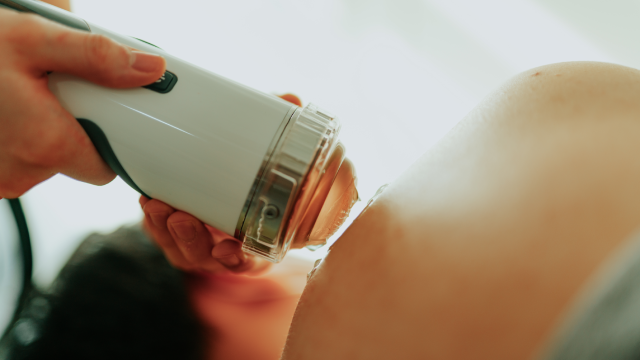
Non-surgical sports treatment refers to conservative care for shoulder and elbow injuries sustained during athletic competition, training, or recreational sports activity, without the need for an operation.
Learn More

Shoulder Fracture
A shoulder fracture refers to a break in one of the bones that make up the shoulder girdle — most commonly the proximal humerus, but also the clavicle or scapula — typically resulting from a fall, direct impact, or high-energy trauma.
Learn More